
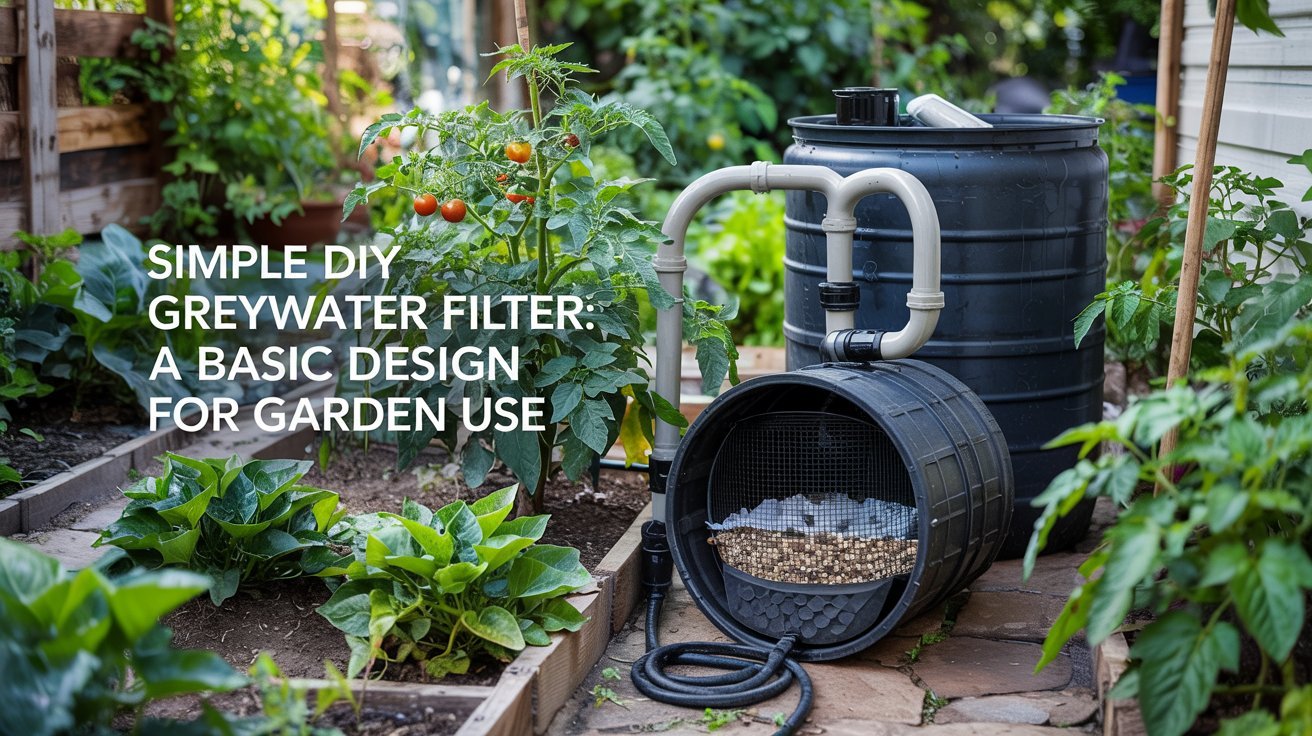
Build a straightforward DIY greywater filter using common materials to safely reuse laundry or sink water for garden irrigation. Step-by-step instructions for a basic sand and gravel system suitable for home use in the USA.
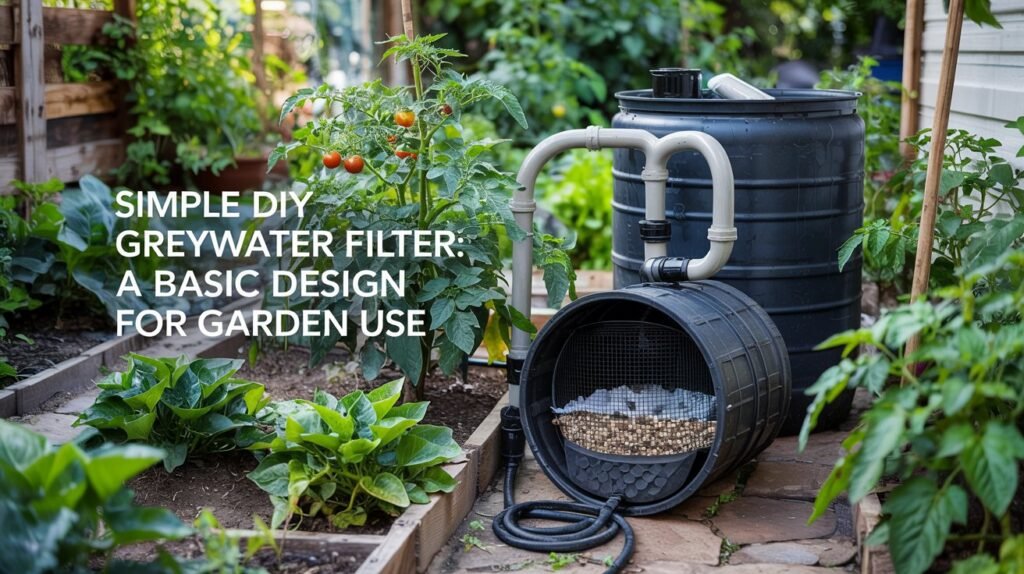
I have implemented basic greywater diversion systems in my garden over 10 years, focusing on low-cost, low-maintenance designs that comply with general safety principles. Greywater from laundry, showers, or bathroom sinks contains soaps, lint, and minor contaminants. A simple filter removes solids and allows biological treatment before soil application. This guide presents an accessible sand-and-gravel filter suitable for small-scale garden irrigation. It draws from established permaculture and DIY approaches while emphasizing safety.
Note that greywater systems must follow local regulations in the USA. Many states permit simple laundry-to-landscape setups without permits if they avoid kitchen water and direct contact with edible crops. Consult your local health department or extension service before implementation.
Materials Required for a Basic Filter
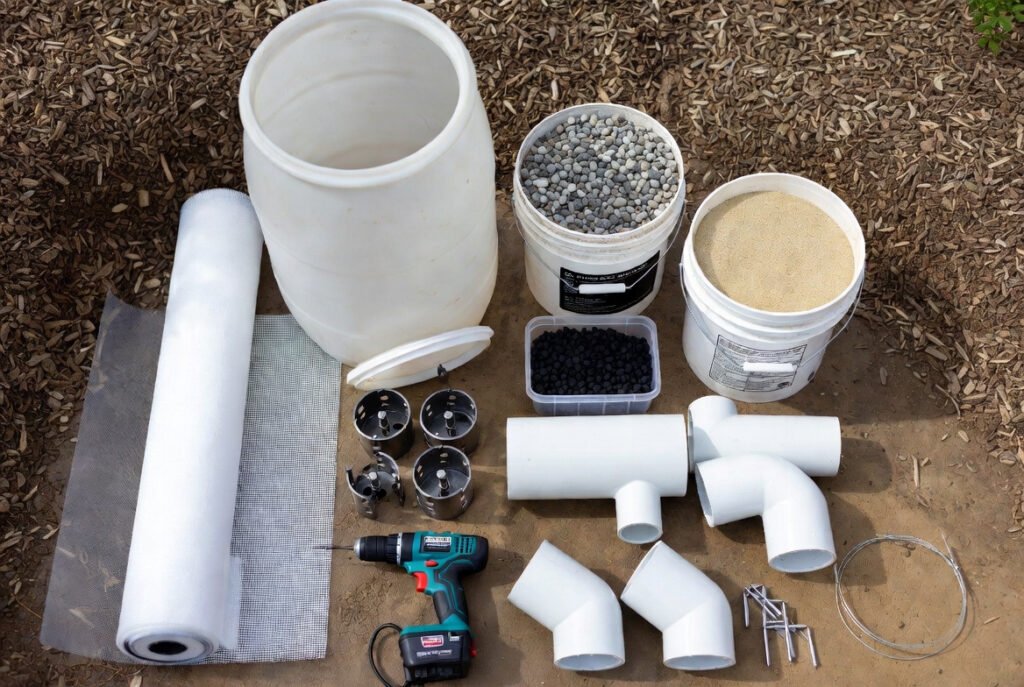
Assemble these items for a single-barrel or bucket-based filter (approximate cost under $50):
- 55-gallon food-grade plastic barrel or large plastic bin (clean, with lid optional).
- Gravel (pea-sized or 1/4-1/2 inch, about 1-2 cubic feet).
- Coarse sand (washed play sand or builder’s sand, about 1-2 cubic feet).
- Activated charcoal (optional layer for odor reduction, 1-2 inches).
- Landscape fabric or fine mesh screen.
- PVC pipe sections (1-2 inch diameter for inlet/outlet).
- Drill with hole saw bits.
- Landscape staples or wire for securing.
- Mulch or wood chips for final dispersal area.
These materials create a layered filtration bed that traps particles and promotes microbial breakdown.
Step-by-Step Construction Instructions
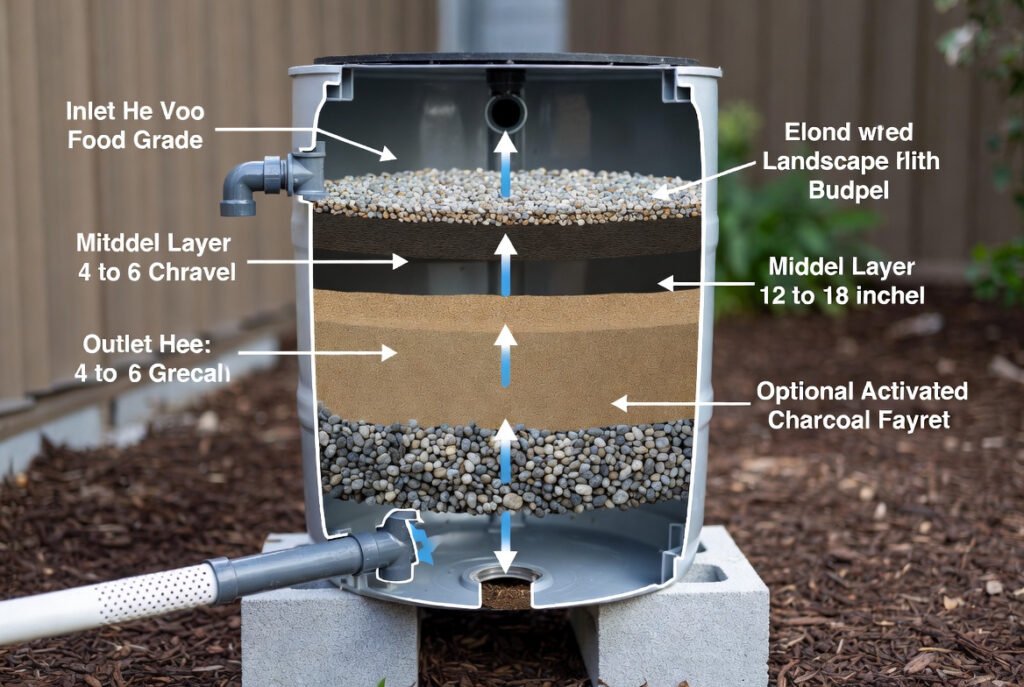
- Prepare the Container Clean the barrel thoroughly. Drill an inlet hole near the top for greywater input (from laundry drain or diverter valve). Drill an outlet hole near the bottom for filtered water exit. Add a small drain hole at the very bottom for occasional cleaning.
- Install the Inlet Attach a short PVC pipe or elbow fitting to the inlet hole. Connect this to your greywater source (e.g., a three-way diverter on the washing machine drain hose). Ensure the connection prevents leaks.
- Layer the Filter Media Build layers from bottom to top for proper flow:
- Bottom: 4-6 inches of gravel (allows drainage and prevents clogging).
- Middle: 12-18 inches of coarse sand (primary filtration for fine particles and lint).
- Top: 2-4 inches of gravel (holds sand in place and distributes incoming water). Optional: Add a 1-2 inch layer of activated charcoal between sand and top gravel for improved odor control and minor chemical adsorption. Cover the top layer with landscape fabric to prevent media disturbance.
- Set Up the Outlet Attach a perforated PVC pipe or hose to the outlet hole. Direct this to a mulch basin, drip line under trees/shrubs, or infiltration trench. Avoid pooling; ensure even distribution over mulch to promote soil absorption.
- Position and Test Place the barrel on a stable, level surface (e.g., concrete blocks for elevation). Test with clean water first to check flow and leaks. Then introduce greywater gradually.
These images illustrate layered sand and gravel filtration setups in DIY greywater barrels and bins.
Operation and Maintenance Guidelines
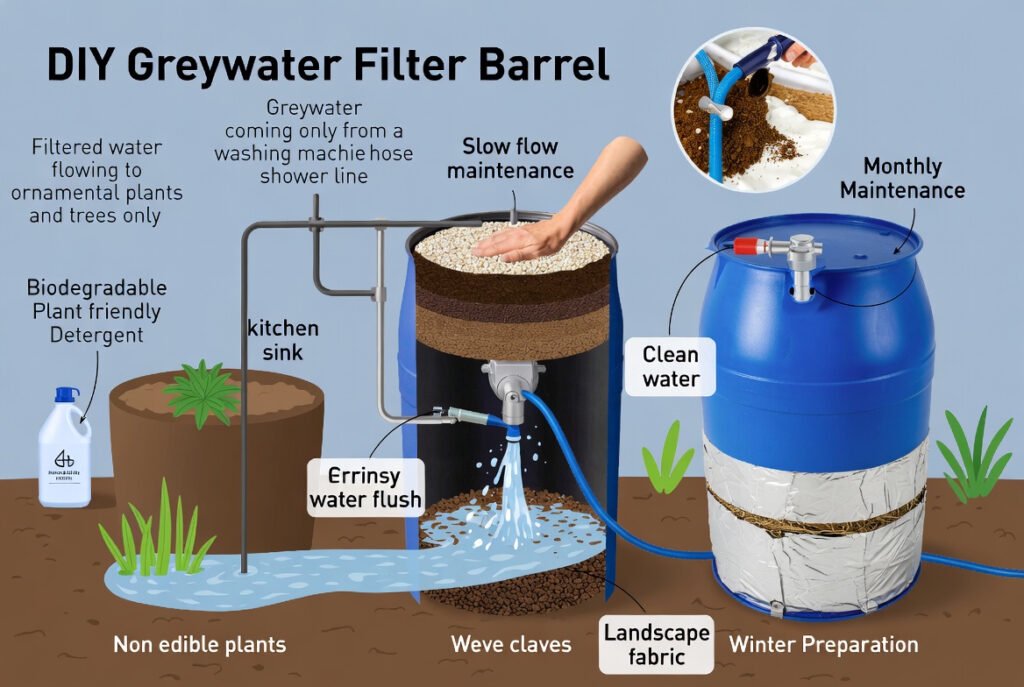
- Direct only laundry or shower greywater (avoid kitchen water due to grease and food particles).
- Use biodegradable, low-sodium, plant-friendly soaps.
- Apply to non-edible plants, trees, or ornamentals; keep away from root vegetables.
- Monitor flow: If slow, stir top layer or flush with clean water.
- Clean monthly: Remove fabric, rake top gravel, and replace if clogged.
- Winterize in cold climates by draining or insulating to prevent freezing.
Safety and Best Practices
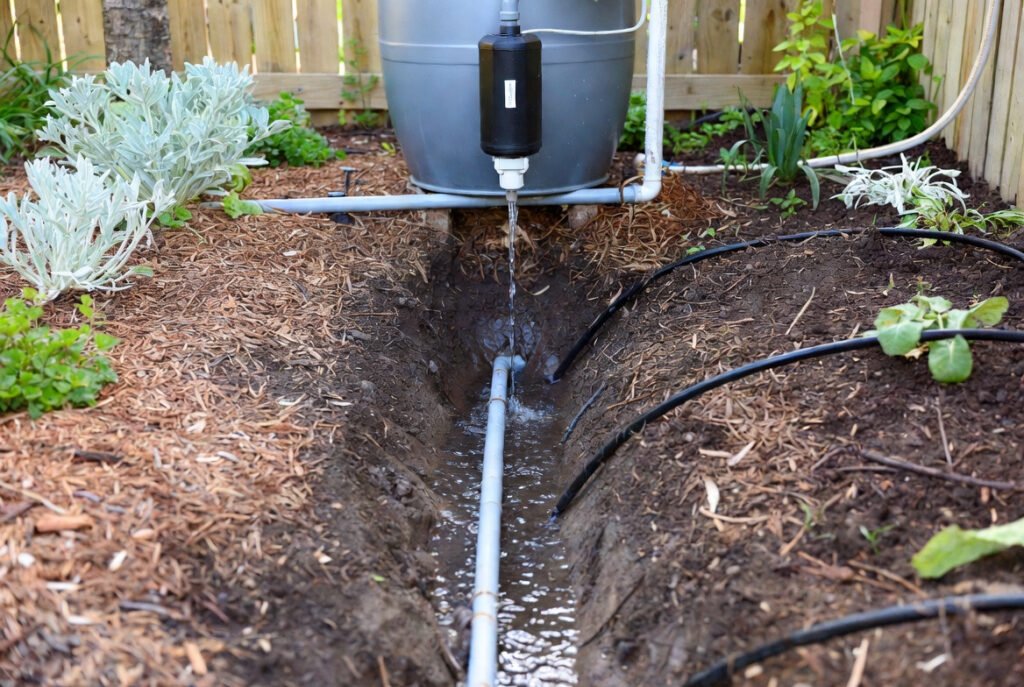
Greywater filtration reduces solids but does not sterilize water. Use subsurface irrigation to minimize human contact. Rotate application areas to prevent salt buildup. In many USA regions, simple laundry diversion systems require no treatment beyond basic filtration if applied correctly.
For more advanced designs, reference resources from the University of California Cooperative Extension or permaculture guides.
For related water conservation topics, see my post on rain garden maintenance.
This basic filter provides an effective starting point for greywater reuse. Begin with small volumes and observe plant response.

Leave a Reply to AI Music Generator Cancel reply