
Discover how to grow hollyhocks (Alcea rosea) successfully. Learn planting from seed, soil requirements, care tips, pest management, and overwintering for tall, vibrant blooms in USA gardens.
I have grown hollyhocks in my Ohio garden for 10 years, zone 6. These tall, classic cottage-garden flowers produce striking spires of blooms in shades of pink, red, yellow, white, and purple from early summer through fall. Hollyhocks (Alcea rosea) behave primarily as biennials: they form a rosette of leaves in year one and flower in year two. Modern hybrids often act as short-lived perennials, blooming in the first year if started early. They reach 5-9 feet tall and attract bees, butterflies, and hummingbirds.
Site Selection and Soil Requirements
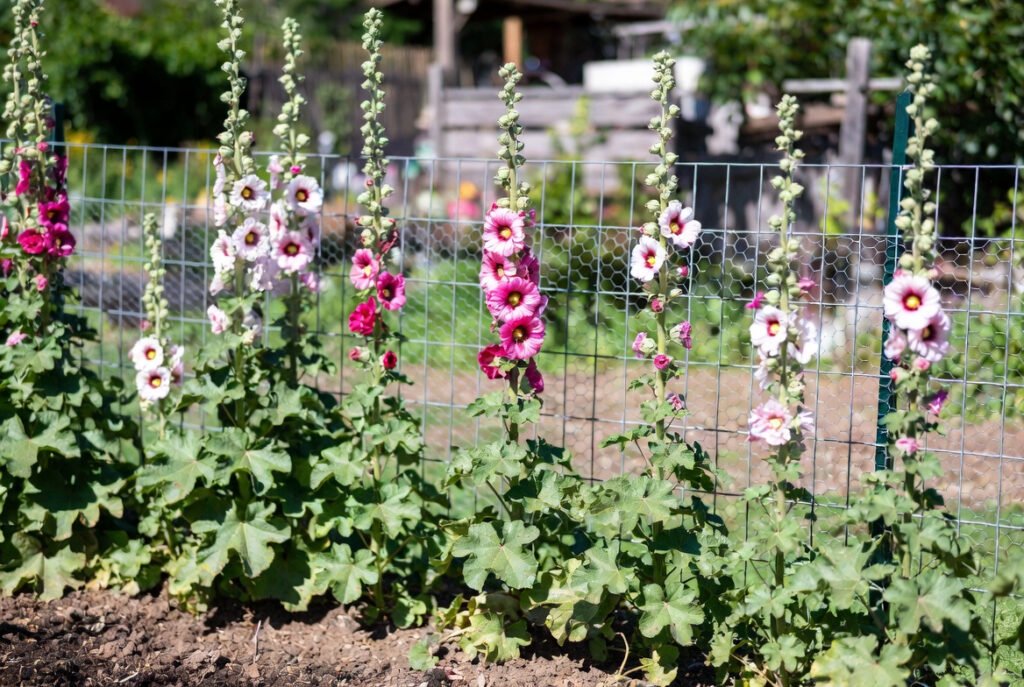
Plant hollyhocks in full sun with at least 6 hours of direct sunlight daily. Partial shade reduces flowering. Choose a location sheltered from strong winds to prevent stem damage. Hollyhocks prefer well-drained, fertile soil with a pH of 6.0-7.5. Amend heavy clay or poor soil with compost or organic matter to improve drainage and nutrient content. Avoid waterlogged areas, as they promote root rot.
How to Plant Hollyhocks
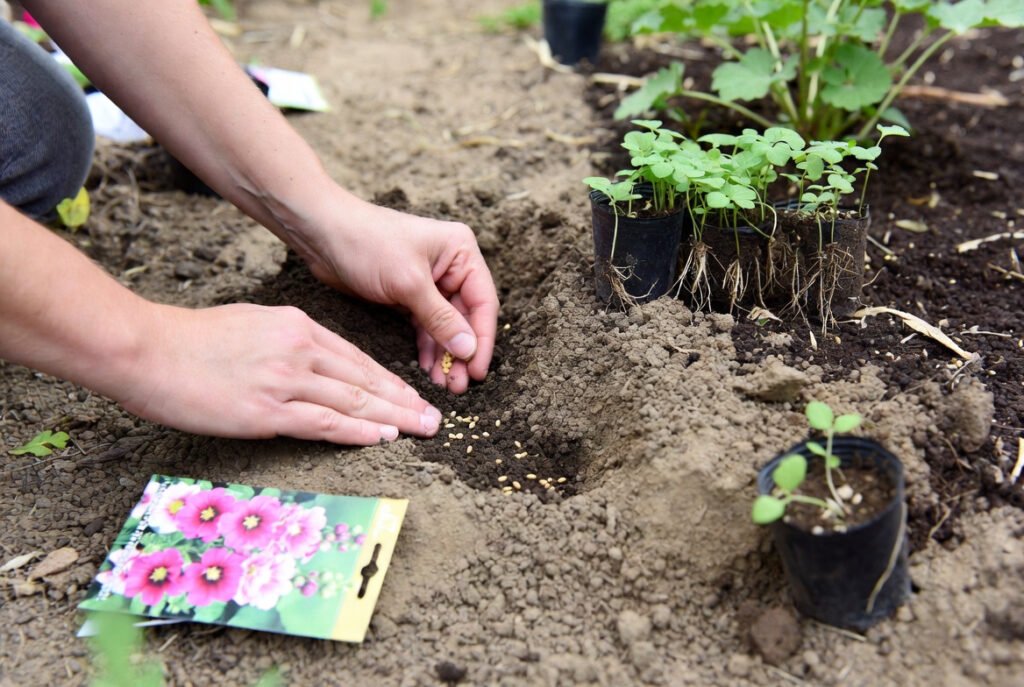
Hollyhocks grow easily from seed. Direct sow outdoors or start indoors.
- Direct sowing: Sow seeds outdoors in late summer or early fall for next-year blooms, or in spring after the last frost. Plant seeds ¼ inch deep, spaced 2 feet apart. Thin seedlings to 18-24 inches.
- Indoor starting: Begin seeds 8-9 weeks before the last frost. Use tall pots to accommodate long taproots. Transplant seedlings outdoors 2-3 weeks after the last frost, handling roots carefully.
Space plants 18-36 inches apart, depending on variety. Plant nursery starts at the same depth as in their containers.
Watering and Fertilization
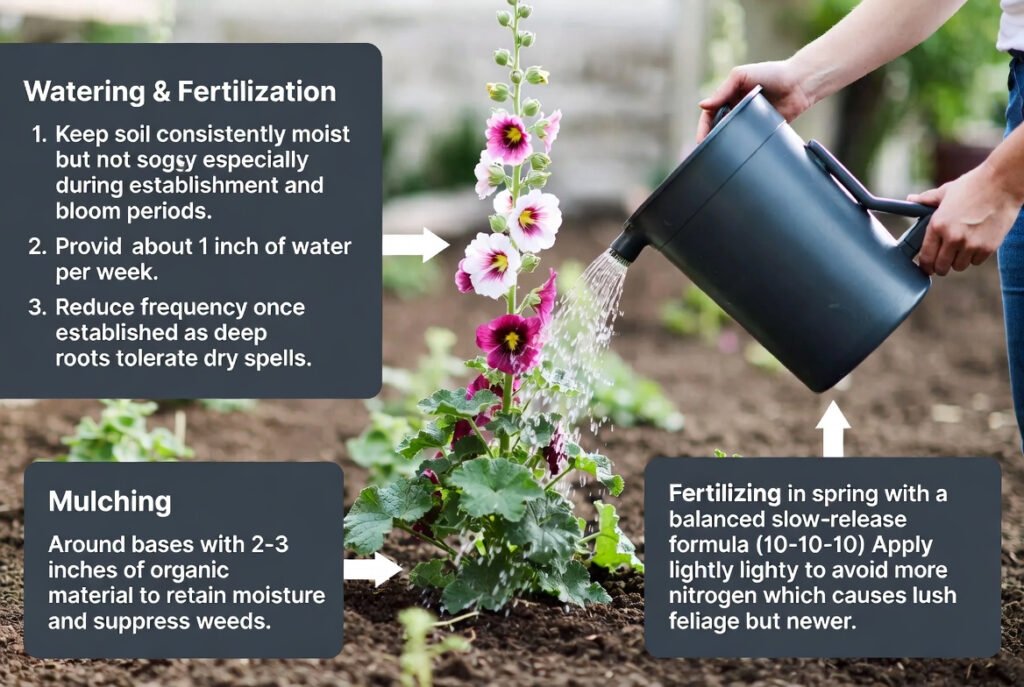
Water regularly to keep soil consistently moist but not soggy, especially during establishment and bloom periods. Provide about 1 inch per week; reduce frequency once established, as deep roots tolerate dry spells. Mulch around bases with 2-3 inches of organic material to retain moisture and suppress weeds.
Fertilize in spring with a balanced slow-release formula (10-10-10). Apply lightly; excess nitrogen causes lush foliage but fewer flowers.
Support and Pruning
Stake tall stems early with bamboo canes or peony rings to prevent lodging in wind or rain. Deadhead spent flowers to extend blooming and reduce self-seeding if desired. Cut flower stalks to the base after blooming ends. Remove foliage in late fall after it yellows to minimize disease carryover.
Managing Pests and Diseases
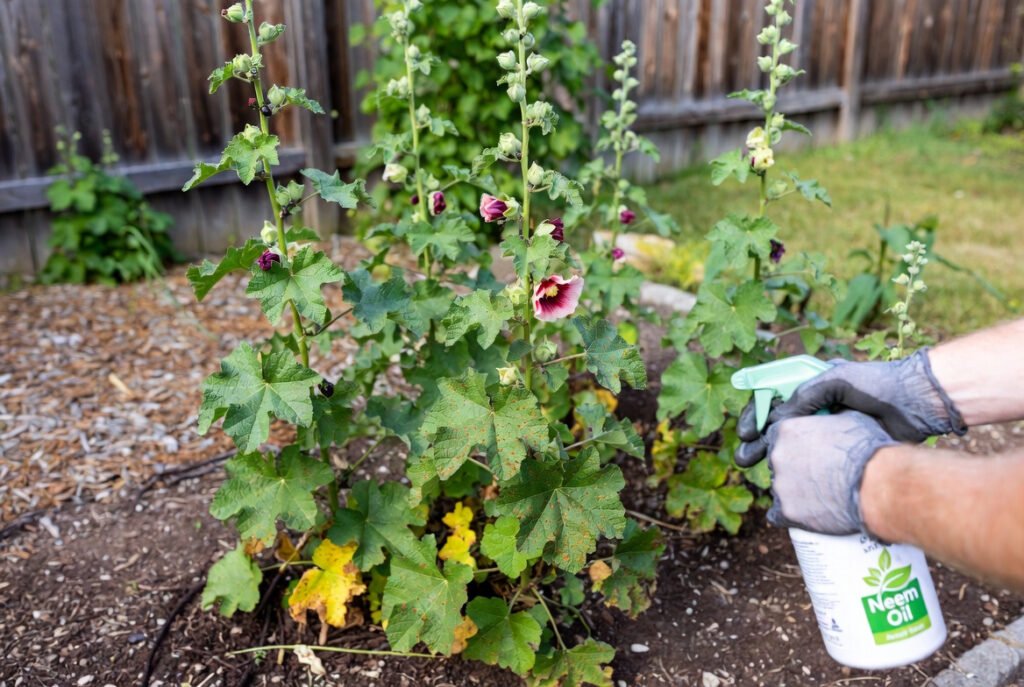
Hollyhocks face few serious pests but rust fungus (Puccinia malvacearum) presents the primary challenge. Symptoms include yellow or orange spots on upper leaves and reddish-brown pustules on undersides. Rust spreads in humid conditions.
Prevent rust by spacing plants for airflow, avoiding overhead watering, and removing infected leaves promptly. Select rust-resistant cultivars when available. Dispose of diseased material; do not compost it.
Other issues include slugs on young growth, Japanese beetles, and occasional spider mites. Hand-pick pests or use insecticidal soap as needed.
Overwintering and Longevity
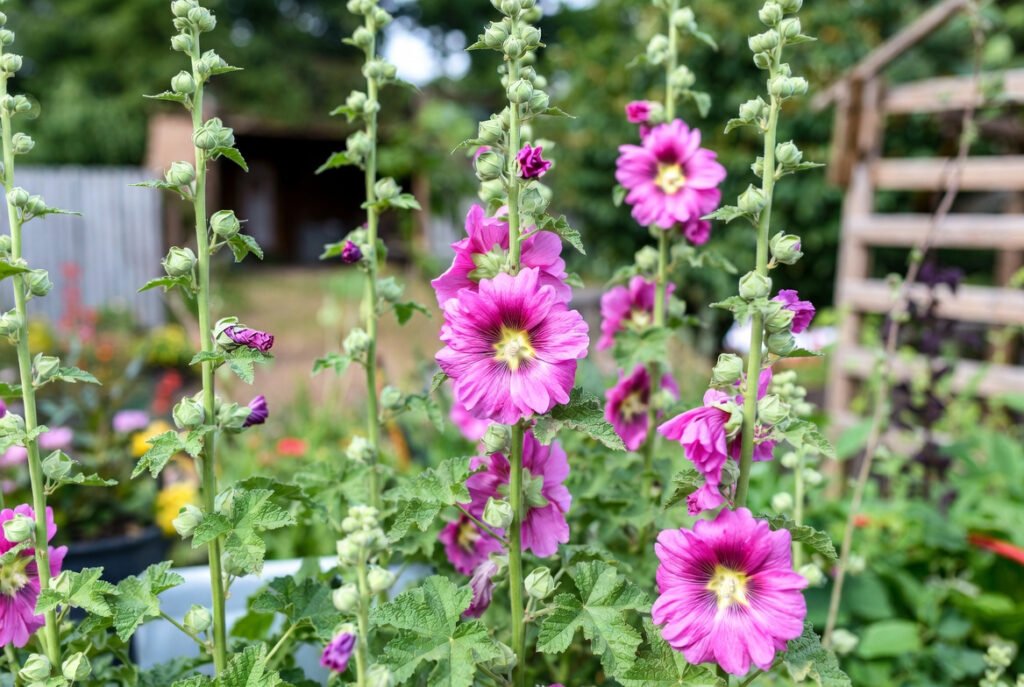
In zones 3-8, hollyhocks survive winter with mulch protection in colder areas. Biennial types self-seed readily for ongoing displays. Perennial hybrids last 3-5 years but often decline; replace every few years for best performance.
Common Varieties to Consider
- Single-flowered types: Traditional cottage look.
- Double-flowered: Ruffled blooms for added drama.
- Rust-resistant hybrids: Improve reliability in humid regions.
For additional perennial care, refer to my guide on growing peonies in pots.
Hollyhocks reward minimal effort with dramatic height and color. Plant them at the back of borders or along fences for maximum impact. Monitor for rust diligently to sustain healthy stands.
Leave a Reply