
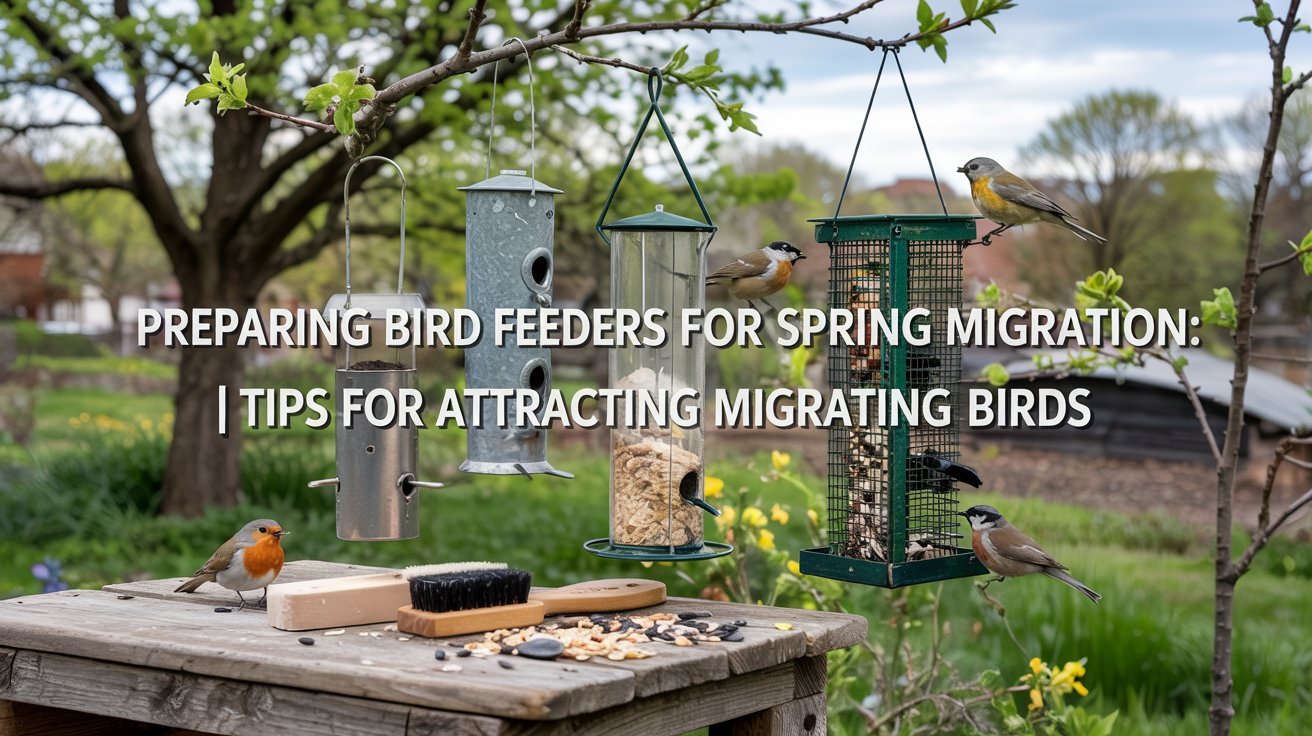
Learn how to prepare bird feeders for spring migration season in the USA. Clean feeders, choose high-energy foods, and create a safe habitat to support migrating birds.
I have enjoyed birdwatching in my Ohio garden for 10 years. As January arrives, you can start preparing for spring migration. Birds begin moving north in late February, with peaks from March to May depending on your region. In 2026, forecasting resumes March 1 via BirdCast tools. This guide helps you ready your feeders to provide essential fuel for warblers, orioles, hummingbirds, and others.
For migration forecasts, visit BirdCast.
Understanding Migration Season in the USA
Spring migration brings billions of birds north for breeding. Timing varies: early arrivals like waterfowl in late February, songbirds peaking April-May. Check your local dates on USDA Plant Hardiness Map or regional guides.
In my yard, warblers appear mid-April. Migrating birds need high-energy stops; your feeders offer critical support.
Cleaning Your Bird Feeders Thoroughly
Clean feeders prevent disease spread during high traffic. Start now if feeders hung over winter.
Use a 10% bleach solution: 1 part bleach to 9 parts water. Scrub with brush, rinse well, air dry. Clean every two weeks in season, more if wet or crowded.
I clean mine monthly in winter, biweekly in spring. Remove debris under feeders to avoid mold.
Guidelines from Cornell Lab of Ornithology recommend this.
For native plant ideas, see my attracting birds with natives post.
Choosing the Right Foods for Migrating Birds
Migrating birds seek high-fat, high-protein foods for energy.
- Black-oil sunflower seeds: Attract cardinals, finches, chickadees.
- Nyjer thistle: For goldfinches.
- Suet: High-energy for woodpeckers, nuthatches.
- Mealworms (live or dried): Protein for bluebirds, warblers.
- Fruit (orange halves, grape jelly): For orioles, tanagers.
- Peanuts: Shelled for jays, woodpeckers.
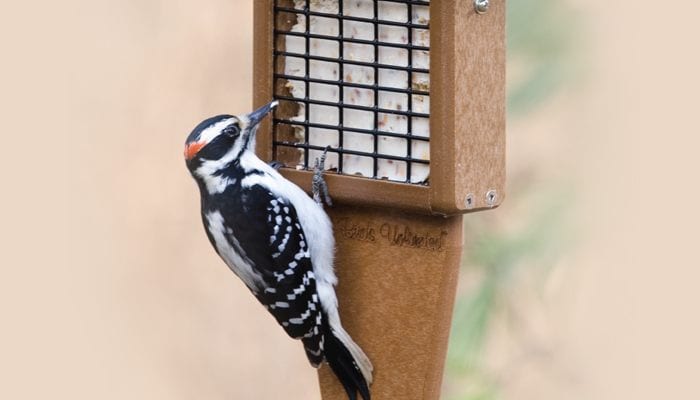
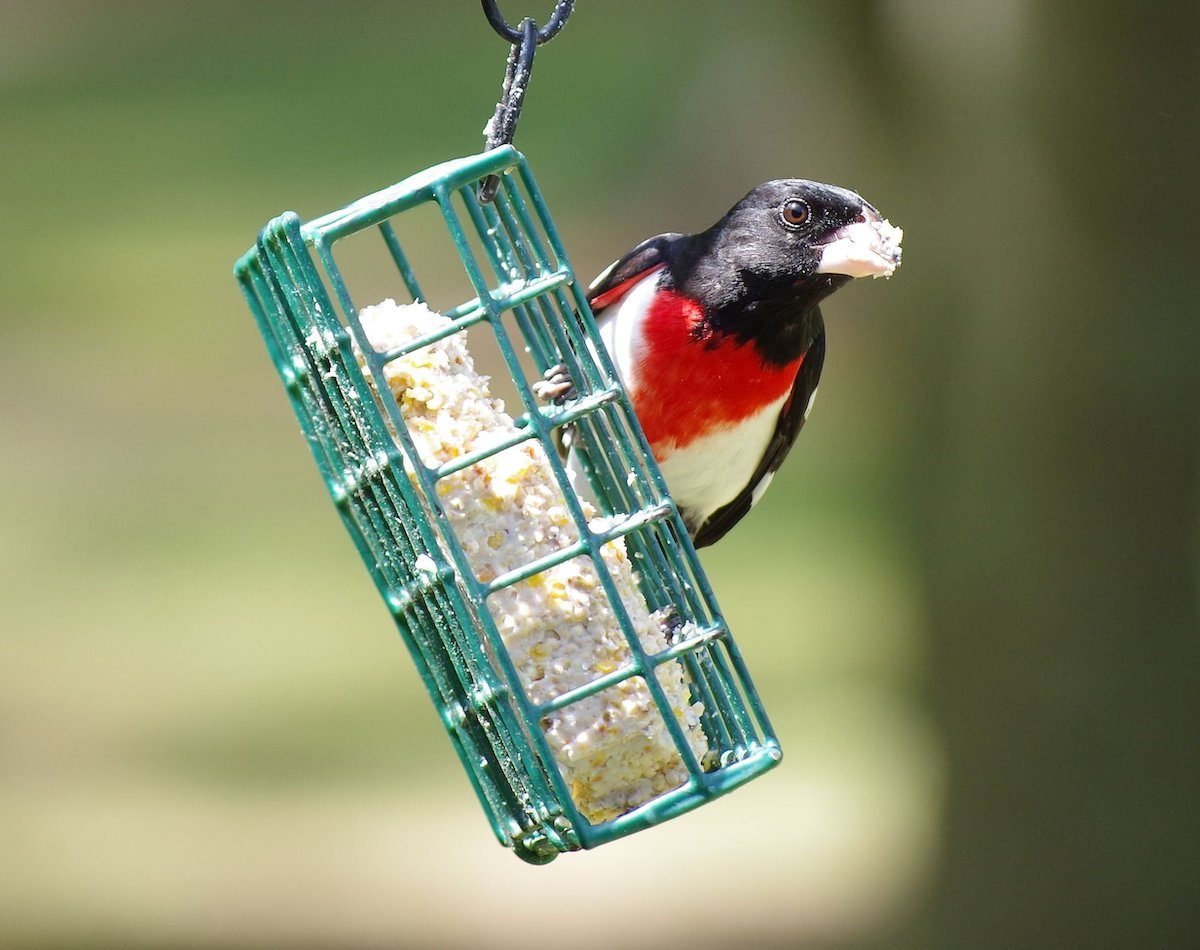
Avoid cheap mixes with fillers. I switch to no-mess blends in spring.
Audubon Society advises quality seeds.
Special Feeders for Key Migrants
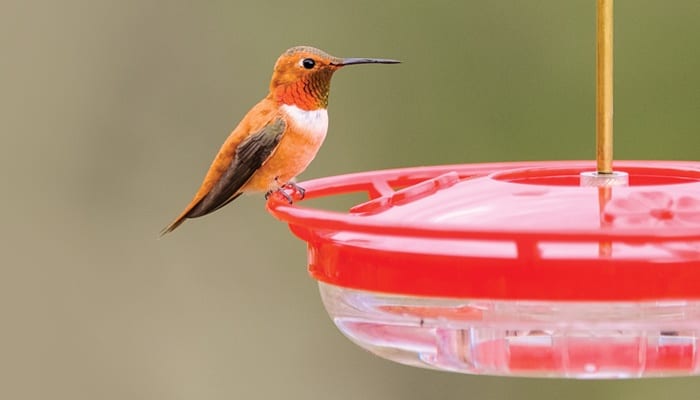
Hang hummingbird and oriole feeders early.
- Hummingbirds: 1:4 sugar-water nectar (1 cup sugar to 4 cups water, boiled). No dye.
- Orioles: Nectar plus fruit/jelly.
Change nectar every 3-5 days, clean weekly.

I put mine out mid-April; arrivals follow soon.
Providing Water and Shelter
Add birdbaths with fresh water. Keep shallow (2 inches), clean regularly.
Create brush piles for cover. Place feeders near shrubs but 10-15 feet from windows to prevent collisions.
I added a dripper bath; visits increased.
National Audubon Society stresses water importance.
Safe Placement and Additional Tips
Place feeders 3 feet or 30+ feet from windows. Apply decals if needed.
Keep cats indoors during migration. Rake ground debris.
I use multiple clusters; reduces competition.
For window safety, check American Bird Conservancy.
Monitor and Enjoy the Migration
Observe arrivals. Report sightings to eBird for science contributions.
My yard becomes lively in May with colorful migrants.
Start preparations now. Clean, stock, hang feeders. Your efforts support these travelers.
Leave a Reply