
Explore 10 excellent plants to grow for fragrance in your garden. This guide covers popular scented options, care tips, and placement advice for a delightful aromatic experience in various climates.
I have incorporated fragrant plants into my garden designs for 10 years, selecting varieties that release scent reliably through flowers or foliage. Fragrant plants engage multiple senses, attracting pollinators and creating pleasant outdoor spaces. The following list presents 10 reliable choices suitable for many gardens, with emphasis on those adaptable to diverse conditions, including warmer regions such as parts of India. These selections draw from established horticultural sources and practical experience.
10 Best Fragrant Plants to Grow | Aromatic Flowers and Shrubs for Gardens
1. Jasmine (Jasminum spp.)
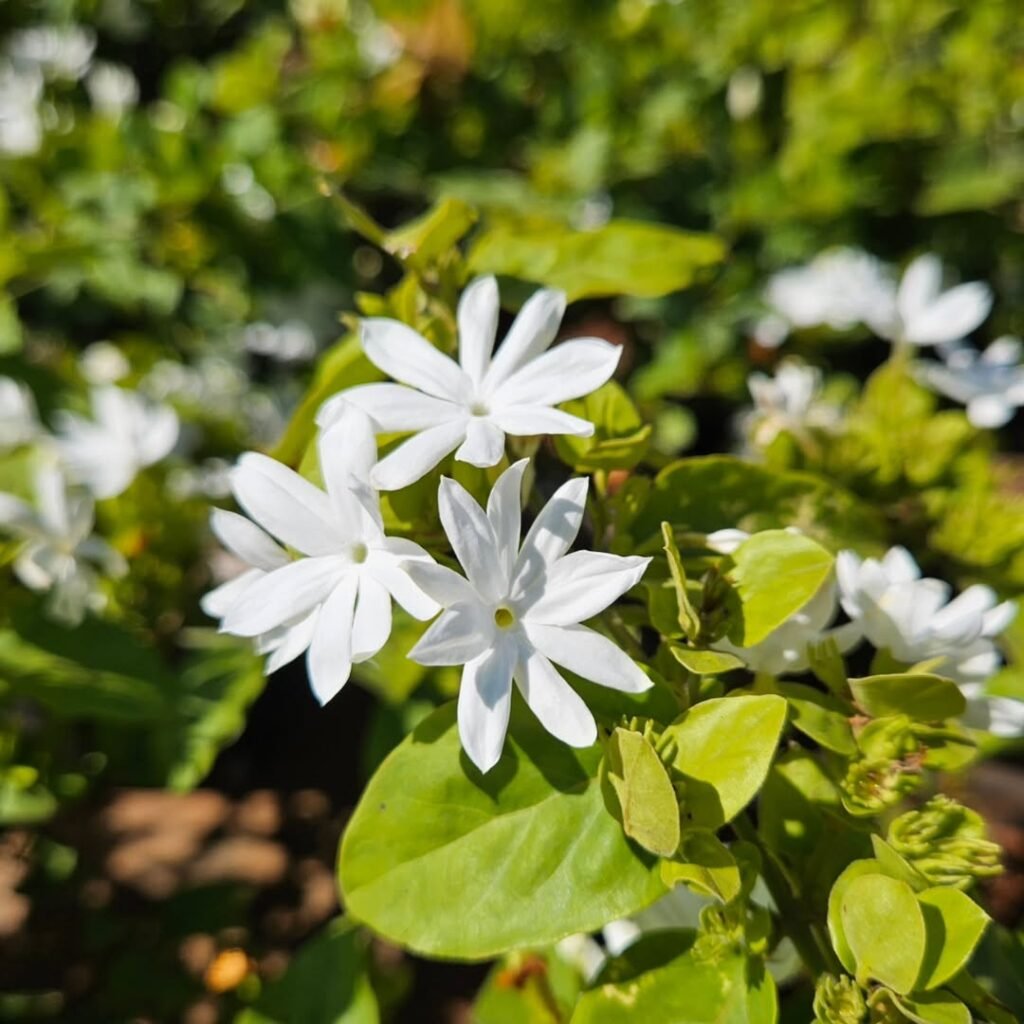
Jasmine produces clusters of white or pink flowers with an intensely sweet, floral scent, strongest at night. Arabian jasmine (Jasminum sambac) and common jasmine (Jasminum officinale) perform well in warm climates. Plant in full sun to partial shade with well-drained soil. Provide support for climbing varieties. Hardy in USDA zones 9-11 or grow in containers for protection.
2. Rose (Rosa spp.)
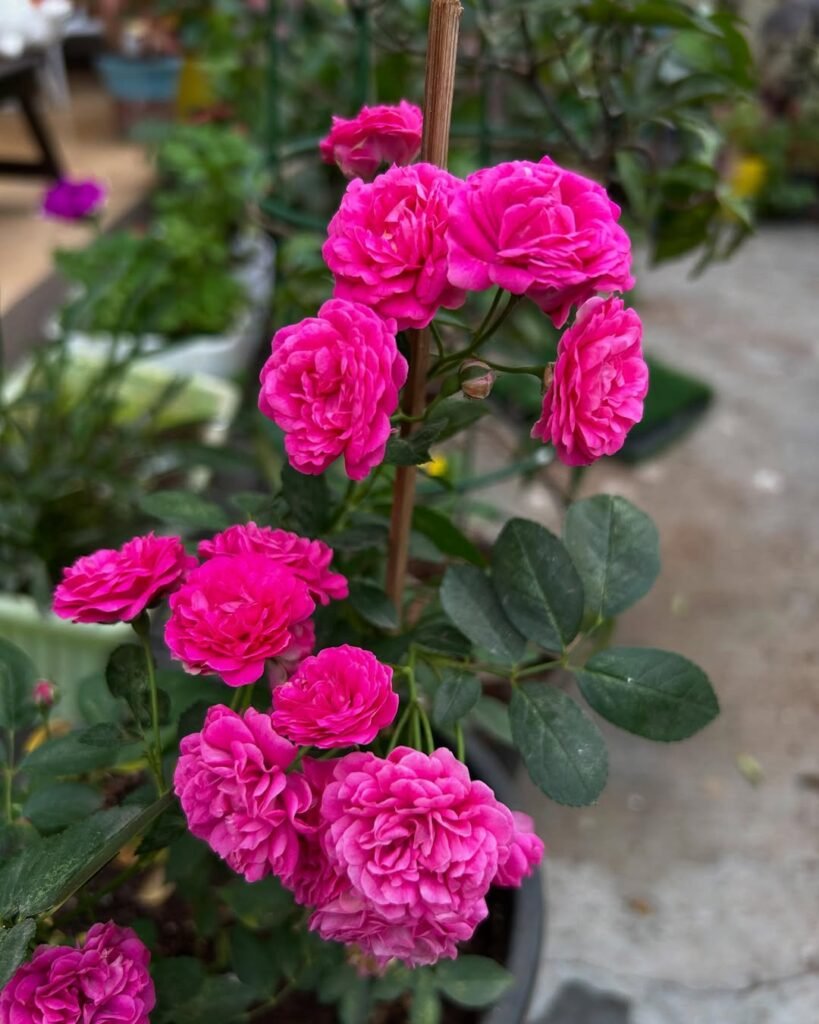
Roses offer classic fragrance ranging from sweet and fruity to spicy. Old garden roses and certain modern hybrids deliver strong scents. Select varieties such as ‘Souvenir de la Malmaison’ for tea rose notes. Plant in full sun with fertile, well-drained soil. Prune annually and fertilize in spring.
3. Lavender (Lavandula spp.)
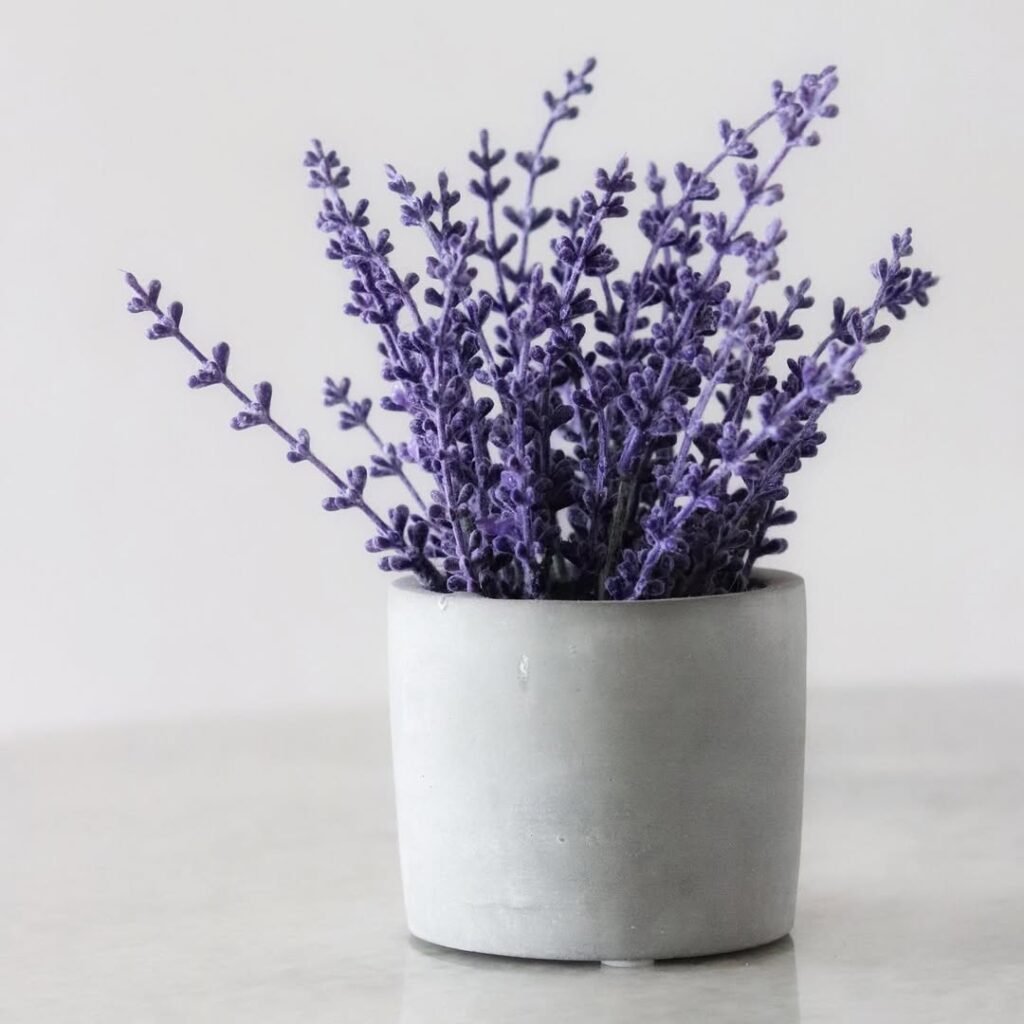
Lavender provides a calming herbal-floral aroma from its foliage and purple flower spikes. English lavender (Lavandula angustifolia) suits many conditions. Grow in full sun with sandy, well-drained soil. Drought-tolerant once established.
4. Gardenia (Gardenia jasminoides)
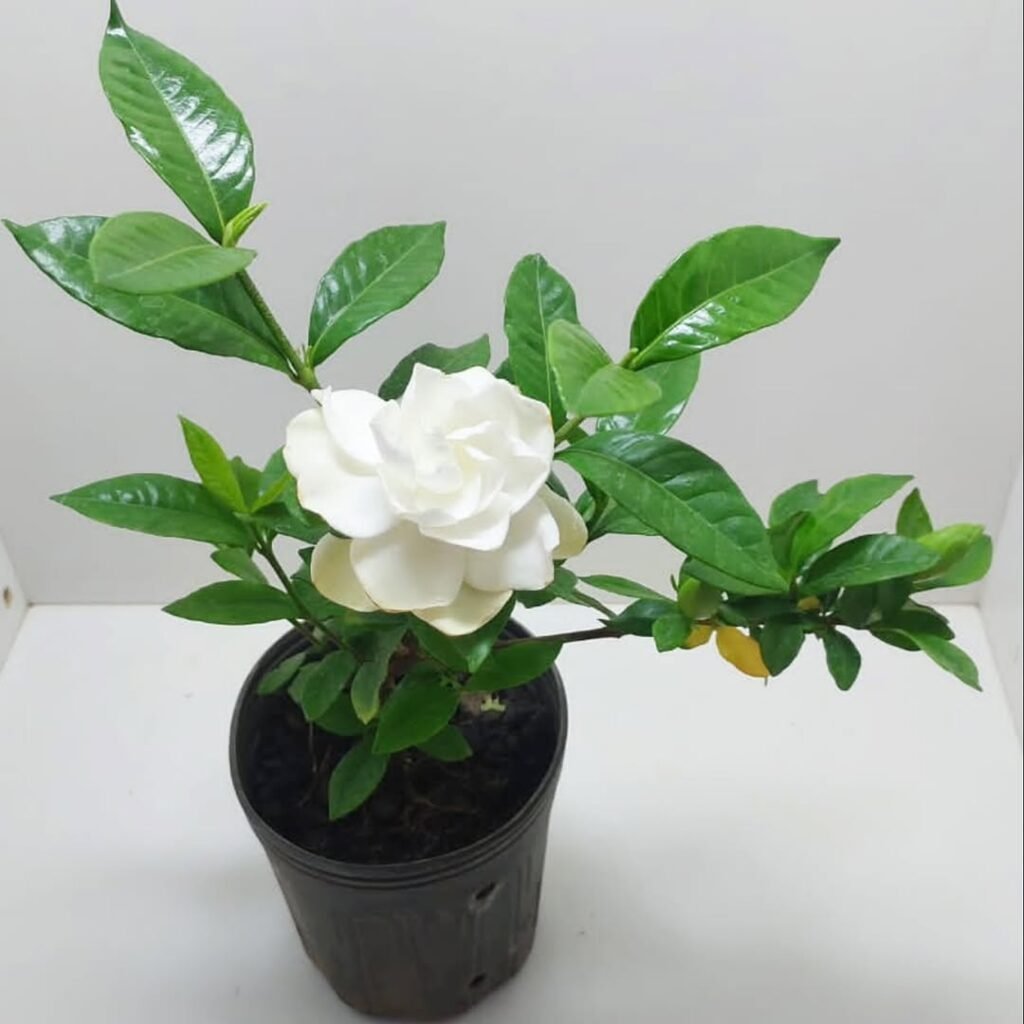
Gardenia yields glossy leaves and white blooms with a rich, sweet perfume. Position in partial shade with acidic, moist soil. Mulch to retain moisture. Ideal for warmer zones or protected spots.
5. Honeysuckle (Lonicera spp.)
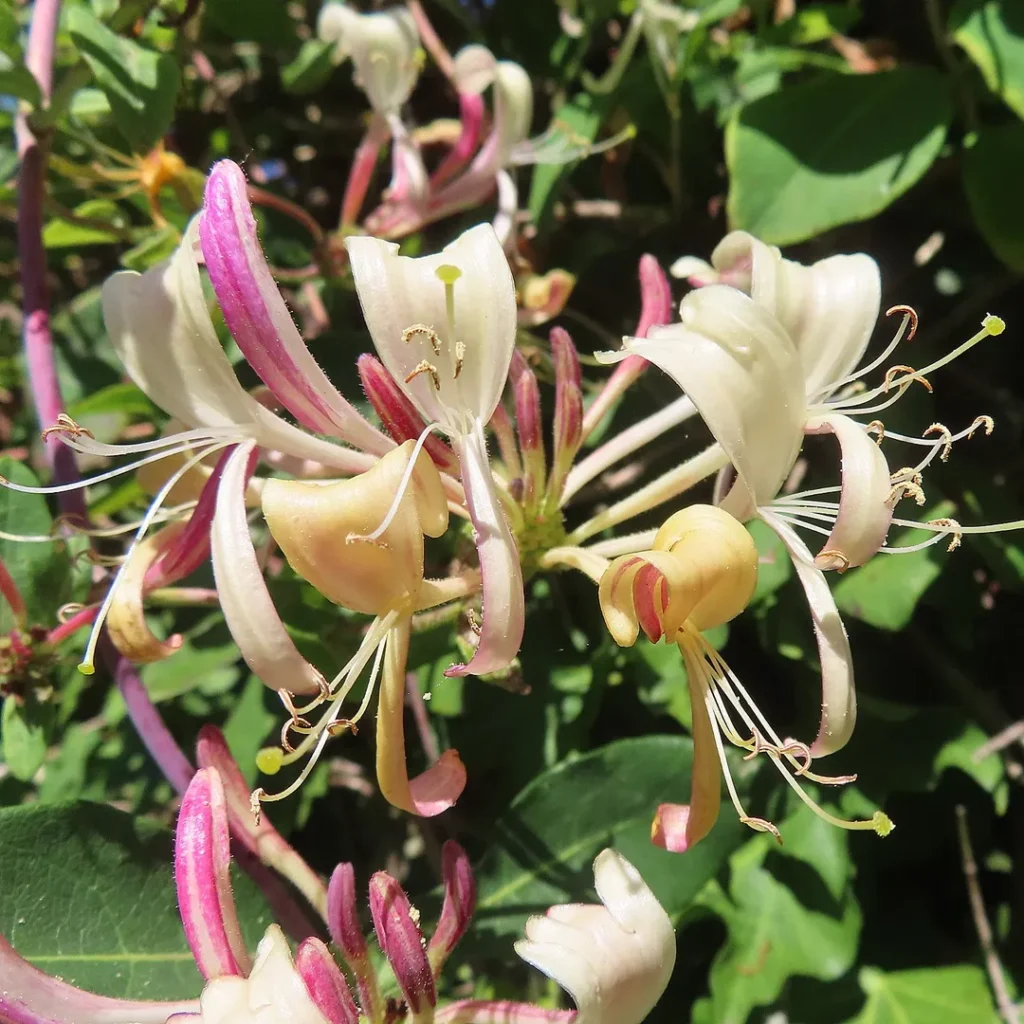
Honeysuckle vines produce tubular flowers with a sweet, honey-like scent. Varieties such as Lonicera periclymenum offer reliable fragrance. Plant in full sun to partial shade with support for climbing. Prune after flowering.
6. Lilac (Syringa spp.)
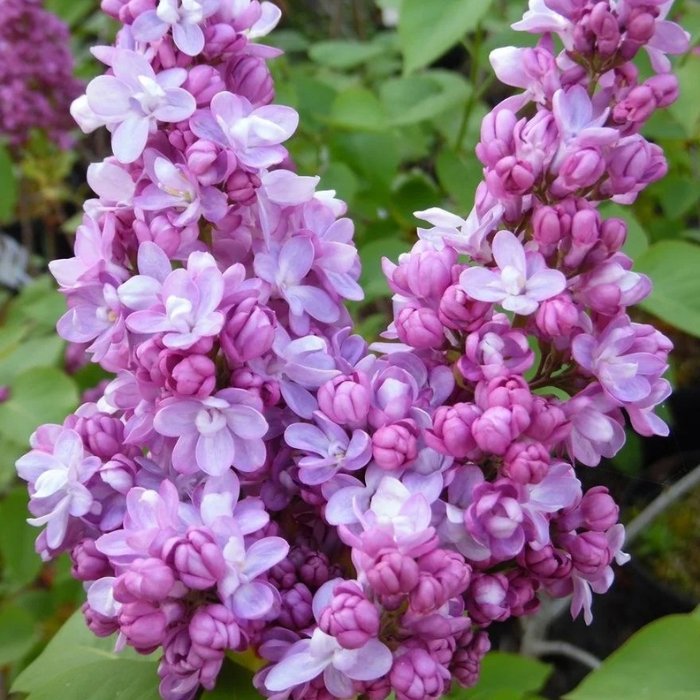
Lilac shrubs bloom in spring with conical clusters of purple, pink, or white flowers emitting a sweet, powdery fragrance. Reblooming types extend the season. Grow in full sun with well-drained soil. Hardy in cooler zones.
7. Tuberose (Polianthes tuberosa)
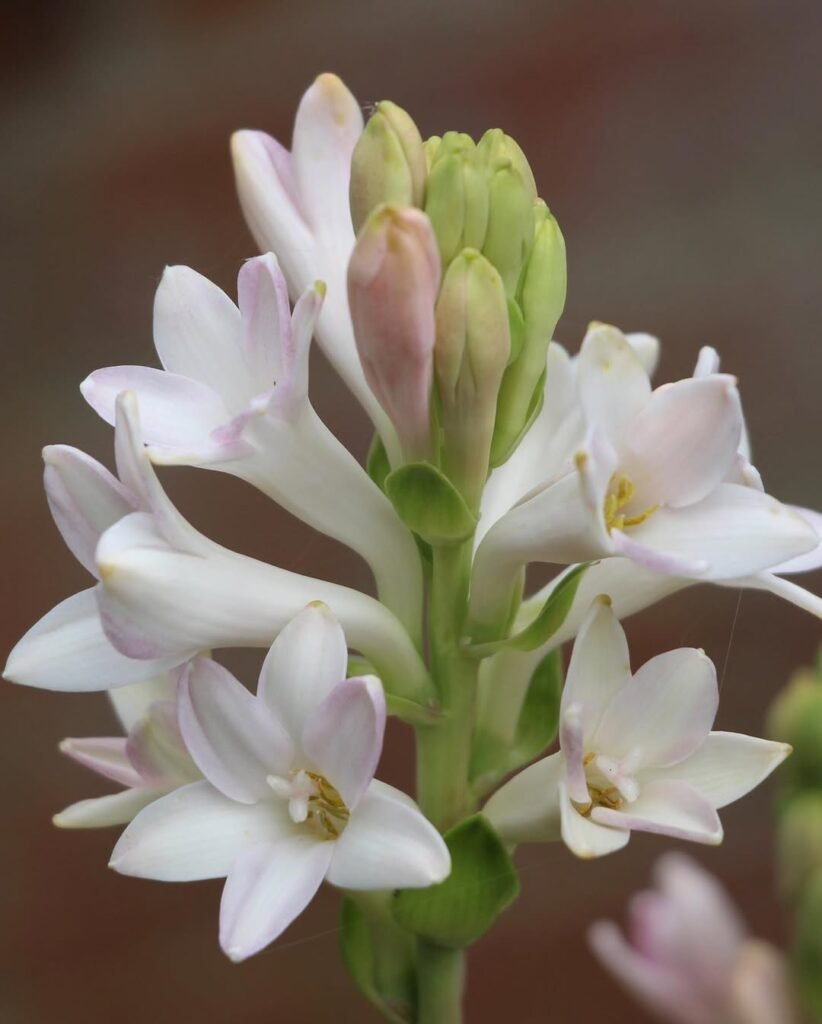
Tuberose, known as Rajnigandha in India, features white spikes with a strong, sweet nighttime scent. Plant bulbs in full sun with rich soil. Lift in cold areas or grow in pots.
8. Peony (Paeonia spp.)
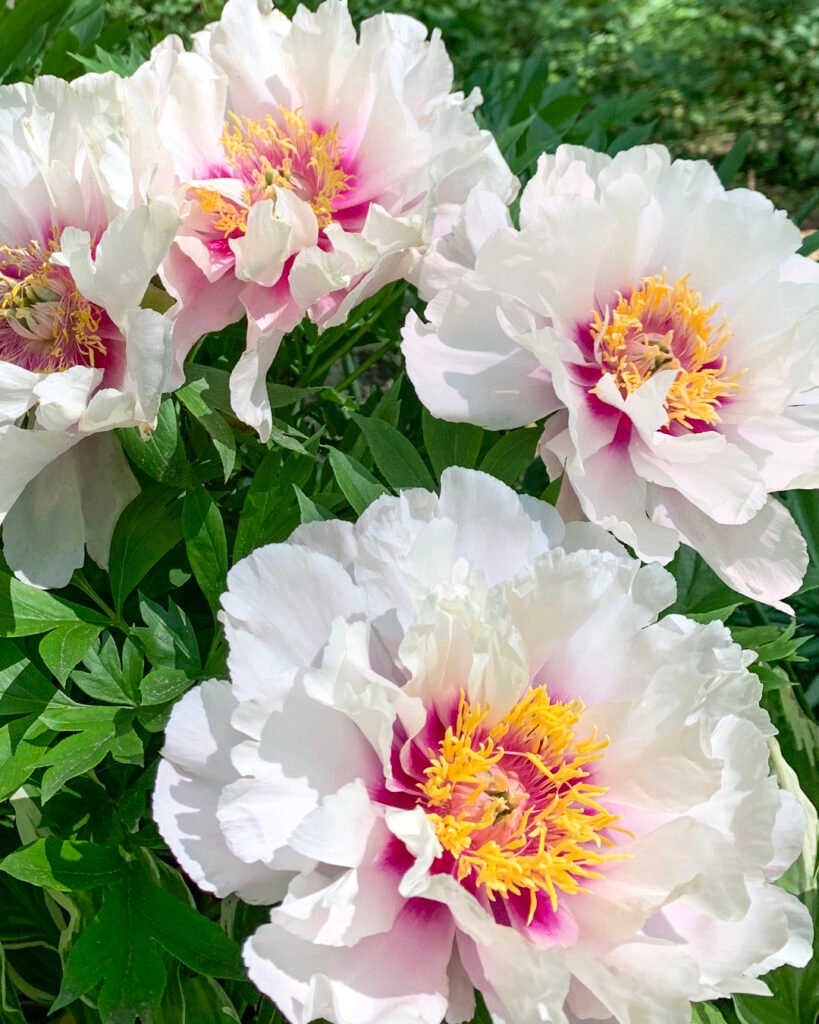
Peonies produce large, lush blooms with sweet, rosy fragrance, especially in double varieties. Plant in full sun with deep, fertile soil. Support stems during flowering.
9. Mock Orange (Philadelphus spp.)
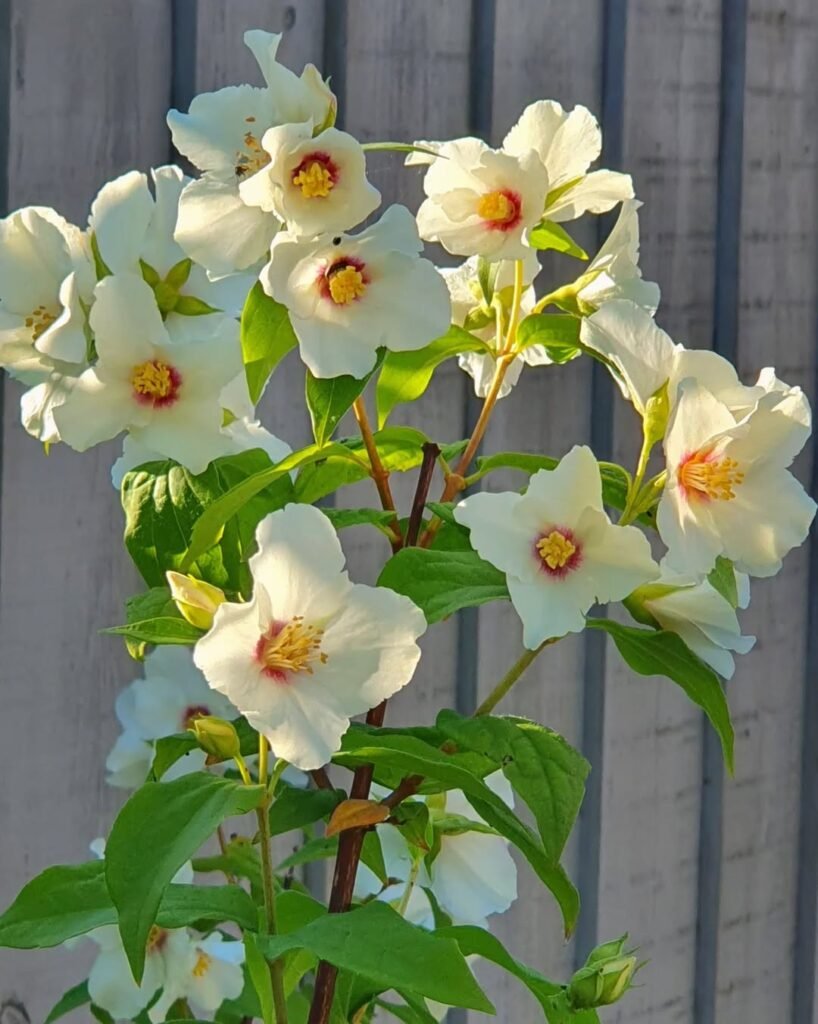
Mock orange shrubs bear white flowers with an intense citrus-orange scent in late spring. Grow in full sun to partial shade with average soil. Prune after bloom.
10. Night-Blooming Jasmine or Parijat (Nyctanthes arbor-tristis)
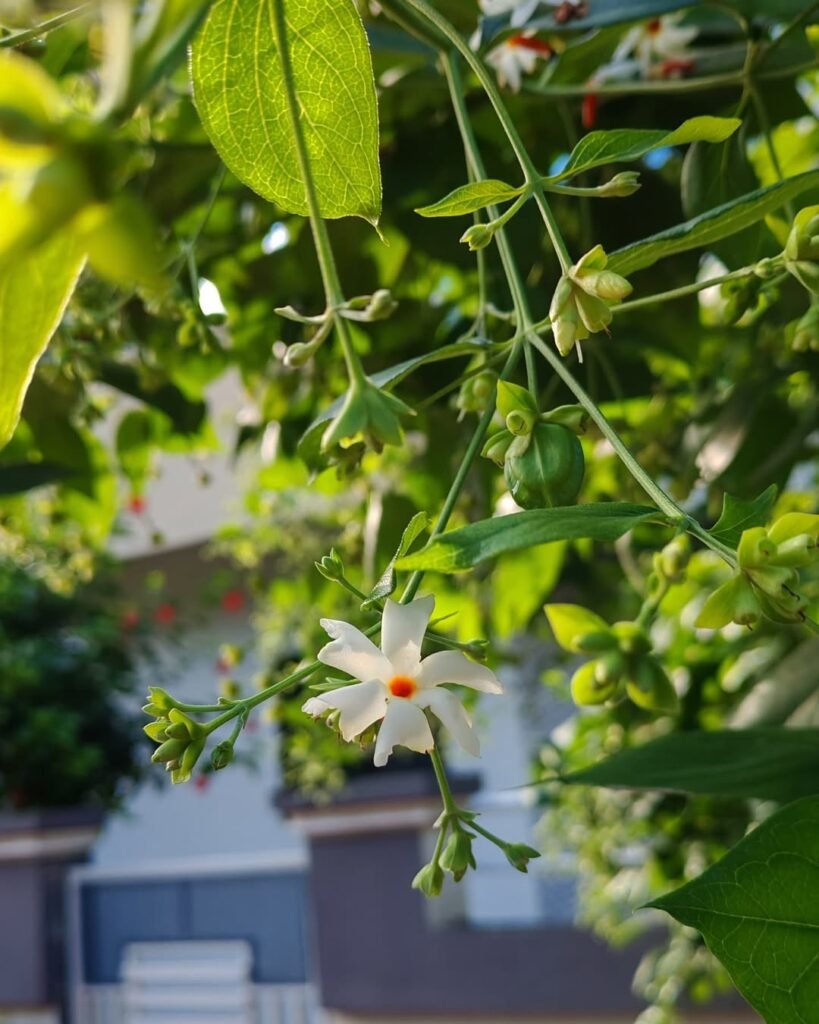
This small tree or shrub releases a powerful sweet fragrance from small white flowers that open at night and drop by morning. Well-suited to tropical and subtropical areas like Maharashtra. Plant in full sun with well-drained soil.
35 Trees That Start With B
Placement and Care Tips for Fragrant Plants
Position scented plants near paths, seating areas, windows, or entrances to maximize enjoyment. Combine early-, mid-, and late-season bloomers for extended fragrance. Ensure good airflow to reduce fungal issues in humid conditions. Use mulch to conserve moisture and suppress weeds.
For regional adaptation in warmer areas, prioritize heat-tolerant options such as jasmine, tuberose, and gardenia. In cooler climates, select hardy varieties like lilac and lavender.
Reference reliable sources including the Chicago Botanic Garden and Proven Winners for variety details.
Incorporate these plants to create an aromatic garden that engages the senses throughout the seasons. Select based on your climate and space for optimal results.
Leave a Reply