
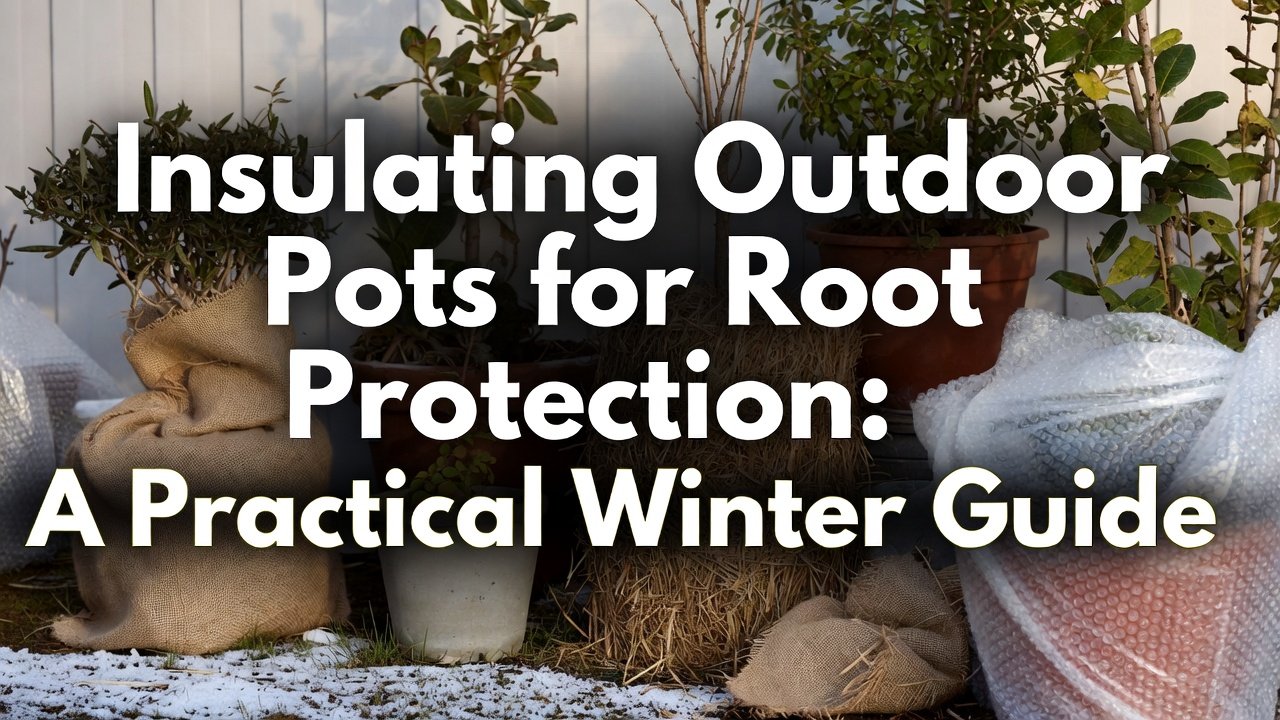
Discover effective methods to insulate outdoor pots and protect plant roots from freezing temperatures. Learn wrapping techniques, mulching, and placement tips for healthy overwintering in USA gardens.
I have overwintered container plants in my Ohio garden for 10 years, zone 6. Container roots face greater risk than in-ground roots because pots expose soil to rapid temperature swings. Freezing damages roots, especially in small or porous pots like terracotta. This guide explains how to insulate pots to safeguard roots during winter. Apply these methods in USDA zones 5 and colder where freezes occur regularly.
Here are proven ways to insulate outdoor pots.
Choose Pot Materials and Size for Better Protection
Larger pots provide more soil mass for insulation. A 15-gallon container freezes slower than a 1-gallon one. Select thick-walled pots such as wood, metal, plastic, or glazed ceramic. Terracotta and unglazed clay absorb water and crack easily from freeze-thaw cycles.
Place pots on soil or mulch instead of concrete or pavement. Concrete amplifies temperature fluctuations.
For more on container selection, see my post on best pots for year-round gardening.
Group Pots Together for Natural Insulation
Cluster pots in a sheltered spot against a south-facing wall or fence. Grouping creates a microclimate where pots share heat.
Elevate pots slightly with pot feet to improve drainage and reduce contact with cold ground.
Here are examples of grouped pots clustered for winter protection.

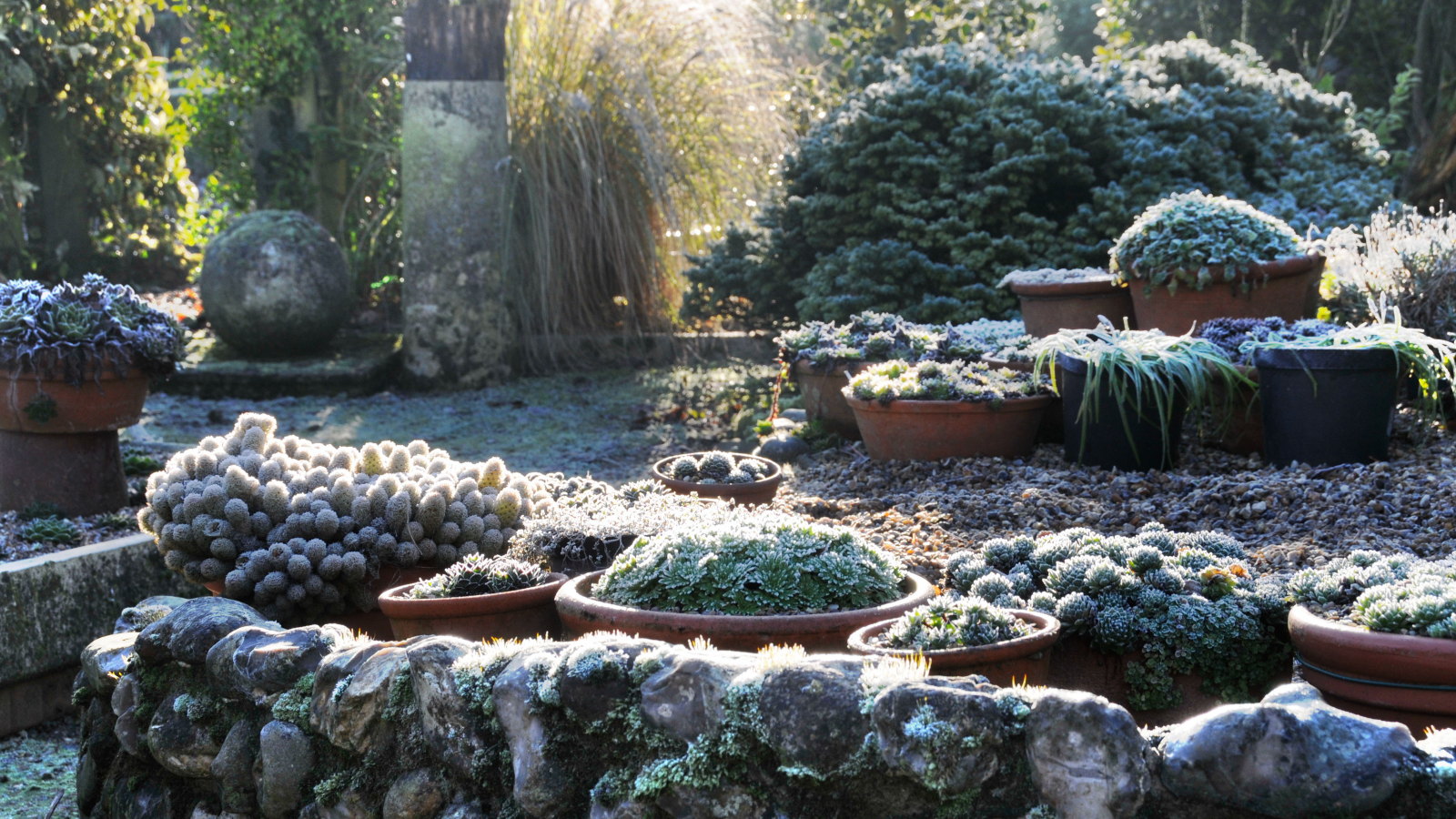
This arrangement reduces wind exposure and stabilizes soil temperatures.
Wrap Pots with Insulating Materials
Wrap the exterior of pots to buffer cold. Use materials that trap air for insulation.
- Bubble wrap: Apply at least two to three layers around the sides. Secure with twine or tape. Leave the top open for air flow.
- Burlap: Wrap in multiple layers for a natural look. It reduces wind desiccation.
- Frost cloth or fleece: Drape over pots and plants during extreme cold snaps.
- Old blankets: Use for temporary protection on coldest nights.
Focus wrapping on sides; roots need protection from lateral cold. Do not seal completely to avoid moisture buildup.
These images show pots wrapped in bubble wrap and burlap.


I wrap my terracotta pots with bubble wrap each November. Roots survive freezes to 0°F.
Apply Mulch Over Soil Surface
Cover soil with 3-4 inches of mulch. Use shredded bark, pine needles, straw, or dry leaves. Mulch moderates temperature and retains moisture.
Avoid piling mulch against plant stems to prevent rot.
For buried or clustered pots, add extra mulch around bases.
Here are pots with mulch applied for root insulation.
9 Clever Ways to Insulate Your Potted Plants in Cold Weather
Consider Burying Pots in the Ground
Bury pots up to the rim in garden soil or a trench. Earth insulates better than air. Cover with mulch after burial.
This method works well for heavy pots that stay outdoors.
These examples illustrate buried pots for maximum protection.

9 Clever Ways to Insulate Your Potted Plants in Cold Weather
Additional Tips for Root Health
Water pots well before freezes. Moist soil holds heat longer than dry soil.
Reduce watering in winter; check soil monthly.
For severe cold, use frost blankets over plants.
Reference the USDA Plant Hardiness Map for your zone.
University of Minnesota Extension and Epic Gardening provide detailed advice.
For mulch options, read my winter mulching guide.
Implement these steps before hard freezes arrive. Your container plants will emerge stronger in spring.
Leave a Reply