
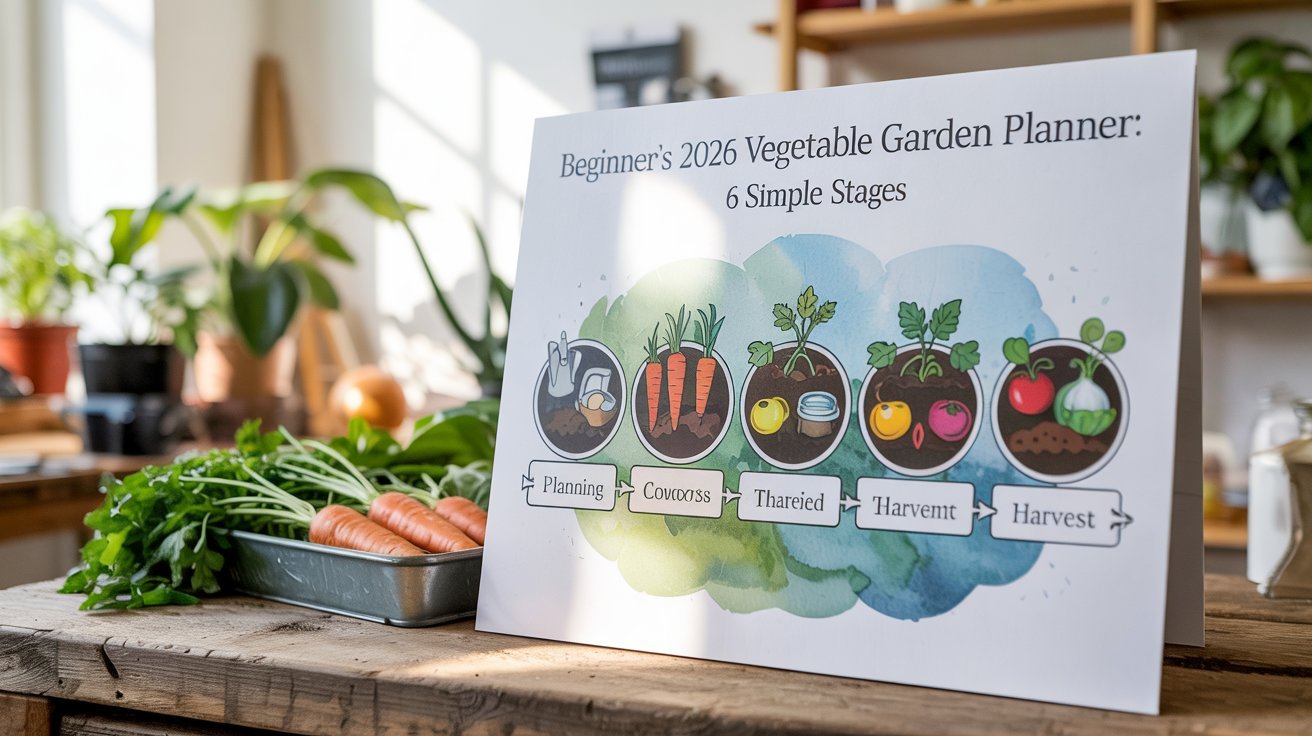
Plan your first vegetable garden for 2026 with this beginner guide. Learn essential steps, free planner tools, and tips tailored to USA zones for a productive harvest.
I have planned and grown vegetable gardens for 10 years across various USA zones. Beginners often start with excitement but benefit from structured planning to avoid common mistakes. This guide provides a clear, step-by-step approach for your 2026 vegetable garden. It focuses on practical decisions, free tools, and realistic expectations.
Step 1: Assess Your Space and Goals
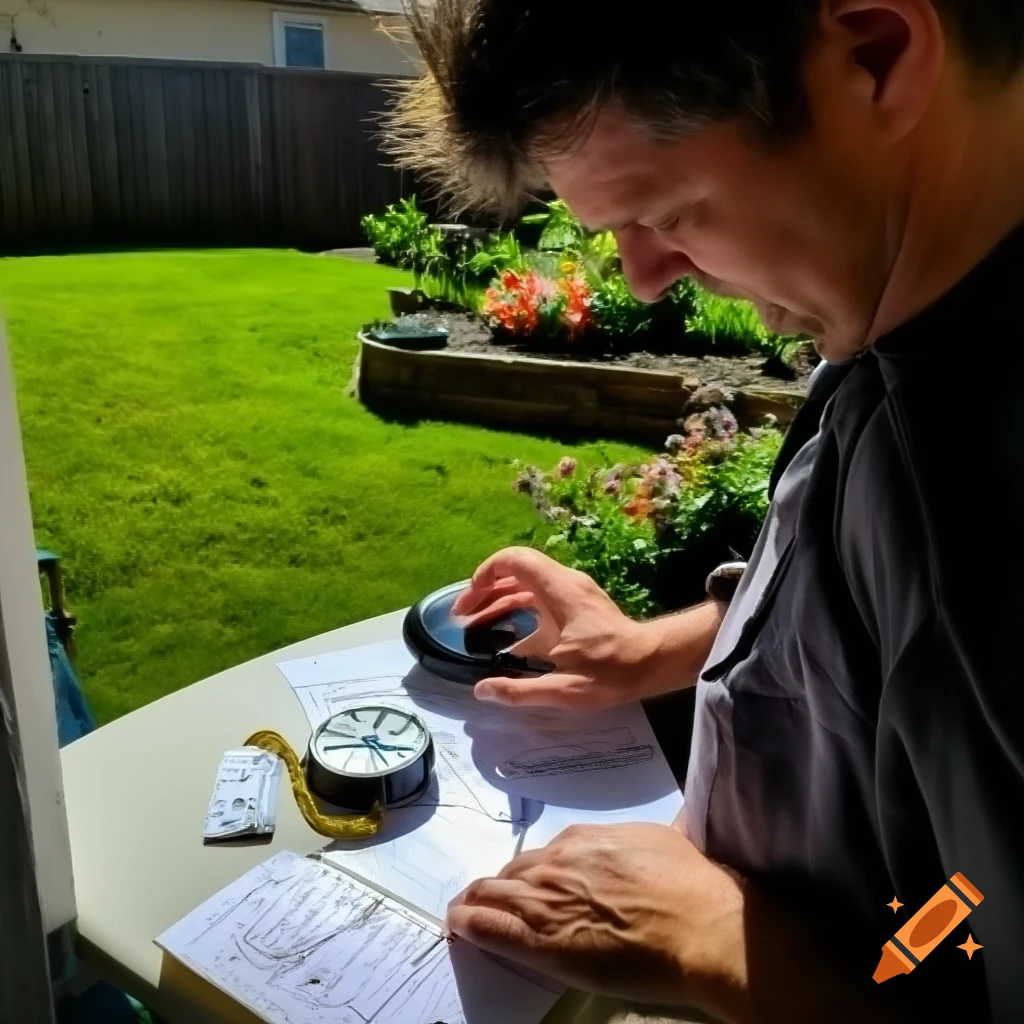
Evaluate available sunlight first. Most vegetables require 6-8 hours of direct sun daily. Observe your yard on a clear day to note shadow patterns, especially in summer.
Determine garden size based on time and interest. Beginners succeed with 4×8 feet or smaller raised beds. Start small to manage weeding and watering.
Decide on goals. Focus on easy, high-yield crops such as tomatoes, lettuce, beans, or zucchini. Consider family preferences and space for succession planting.
Check your USDA hardiness zone at the USDA Plant Hardiness Map. This determines frost dates and suitable crops.
Step 2: Select Easy Crops for Beginners
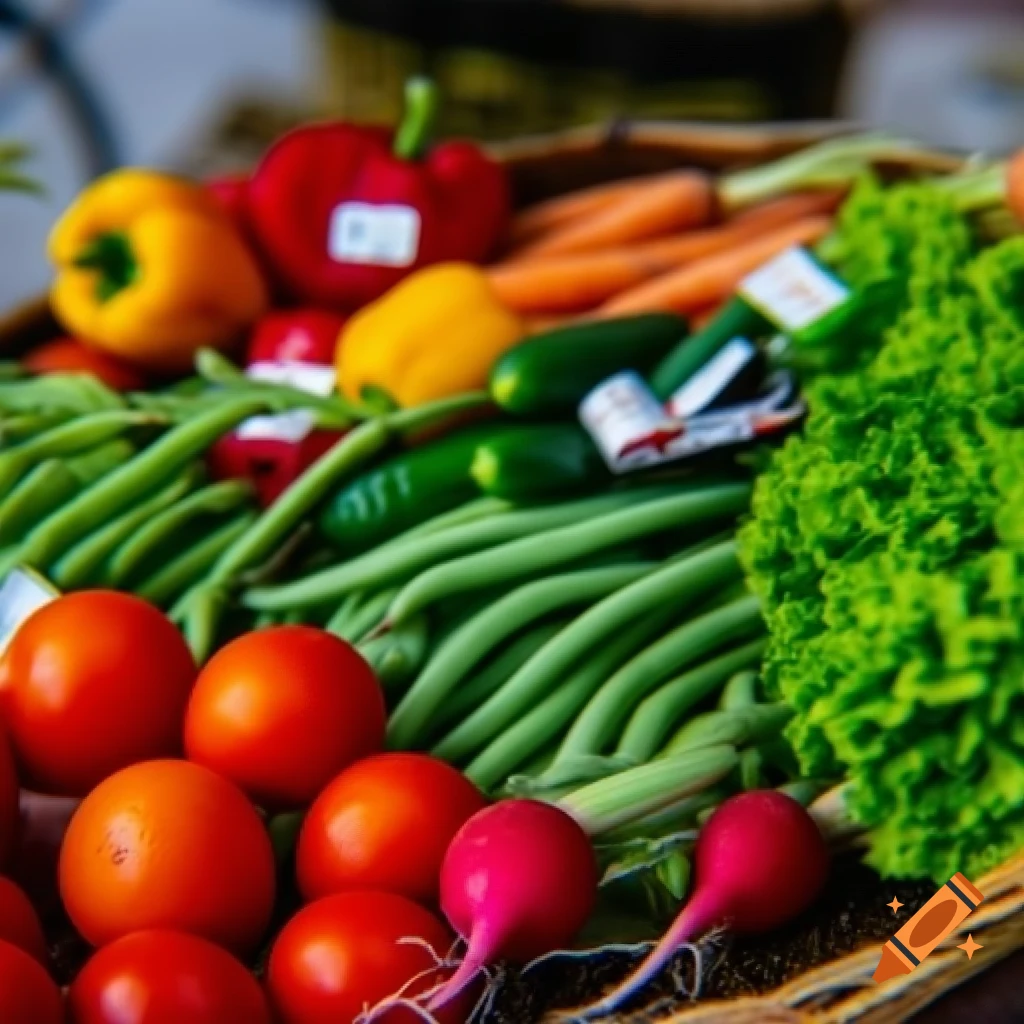
Choose forgiving vegetables suited to new gardeners. Prioritize these for 2026:
- Tomatoes: Productive with support.
- Lettuce and salad greens: Quick harvest, succession planting.
- Bush beans: No trellising needed.
- Radishes: Ready in 3-4 weeks.
- Carrots: Direct sow in loose soil.
- Peppers: Reliable in warm zones.
- Cucumbers: Bush varieties save space.
- Herbs like basil, cilantro, and dill: Enhance meals.
Avoid demanding crops like corn or large melons initially.
Reference the Old Farmer’s Almanac Planting Calendar for 2026 dates by ZIP code.
Step 3: Design a Simple Layout
Sketch on paper or use a free digital tool. Arrange tall plants north to avoid shading shorter ones. Group thirsty crops together.
Consider these layouts:
- Raised beds: 4×4 or 4×8 feet for easy reach.
- Square-foot gardening: Divide beds into 1-foot squares.
- Blocks instead of rows: Maximize space and reduce bare soil.
Incorporate paths for access. Plan for companion planting, such as marigolds with tomatoes to deter pests.
These images show simple beginner vegetable garden layouts with raised beds and block planting.
Step 4: Use Free Garden Planner Tools for 2026
Several free or freemium tools simplify planning with USA-specific frost dates and calendars.
- SeedTime: Free basic calendar planner. Input location for automatic frost dates and task lists. Strong for beginners.Visit SeedTime.
- From Seed to Spoon: Free mobile app. Provides personalized guides, companion planting, and reminders based on zone.Download from Seed to Spoon.
- Planter: Free version for visual layouts. Drag-and-drop vegetables with companion info.Available on app stores.
- Gardena myGarden: Fully free online tool. Draw beds and add plants for basic design.Access at Gardena myGarden.
- VegPlotter: Free version allows unlimited layouts and up to 20 plantings yearly. Includes scheduling.Try VegPlotter.
- Kitchen Garden Planner by Gardener’s Supply: Free basic planner for square-foot designs.Use at Gardener’s Supply.
These tools generate planting schedules tailored to your area.
Step 5: Prepare Soil and Timeline for 2026
Test soil pH and nutrients through local extension services. Amend with compost for fertility.
Timeline overview:
- January-February: Plan layout, order seeds.
- March-April: Start seeds indoors for warm-season crops.
- May-June: Transplant after last frost; direct sow cool crops.
- July-August: Succession plant for fall harvest.
- September-October: Plant fall crops in warmer zones.
Adjust dates using your zone’s frost information.
Step 6: Implement Basic Maintenance Practices
Water consistently, aiming for 1 inch weekly. Mulch to retain moisture and suppress weeds.
Monitor for pests early. Use row covers or hand-picking for control.
Rotate crops annually to prevent disease.
For soil preparation details, see my amending garden soil post.
Common Beginner Mistakes to Avoid
Do not overcrowd plants; follow spacing guidelines. Start seeds too early indoors without proper light. Ignore watering during dry spells.
Begin small and expand as confidence grows.
Resources for Continued Learning
Consult extension publications from universities like NC State or Virginia Tech for region-specific advice.
Track progress in a simple journal or app.
For companion planting basics, read my companion planting guide.
Start your 2026 planning now. A well-planned garden yields rewarding results with minimal frustration.
Leave a Reply