

Learn how to grow foxgloves (Digitalis purpurea) for dramatic height and color in cottage gardens. This guide covers planting, care, toxicity warnings, and pest management for successful blooms in USA zones.

I have cultivated foxgloves in my Ohio garden for 10 years, zone 6. These biennial or short-lived perennial plants produce tall spires of tubular, bell-shaped flowers that create vertical drama and attract pollinators in cottage-style landscapes. Foxgloves (Digitalis purpurea) thrive in partial shade and moist soil, forming basal rosettes in the first year and flowering in the second. They reach 3-6 feet tall, with blooms in pink, purple, white, and spotted varieties.
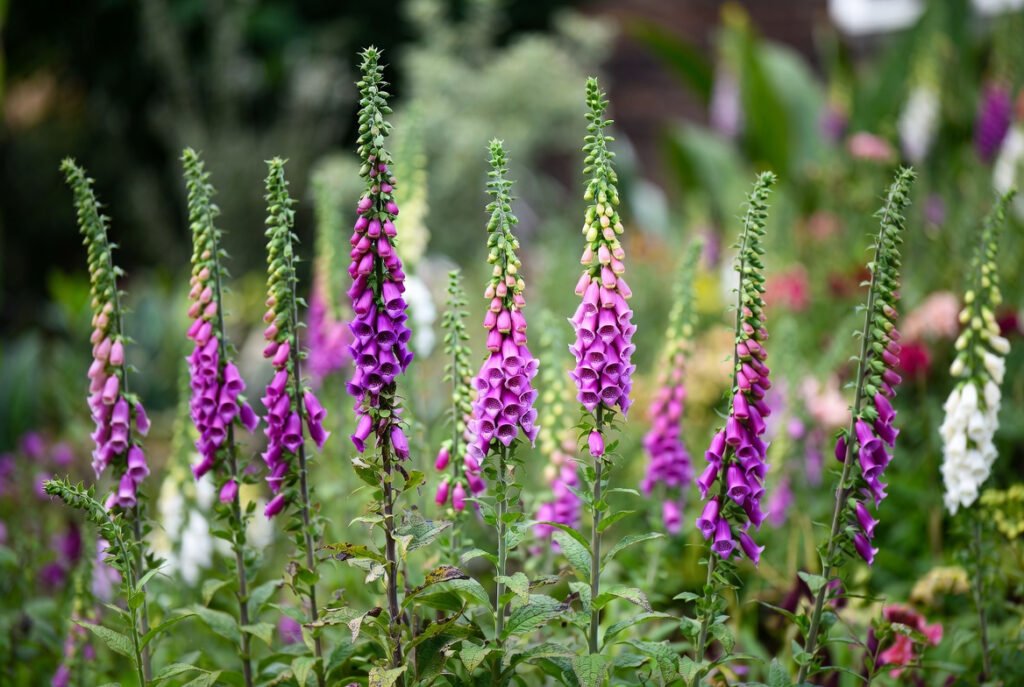
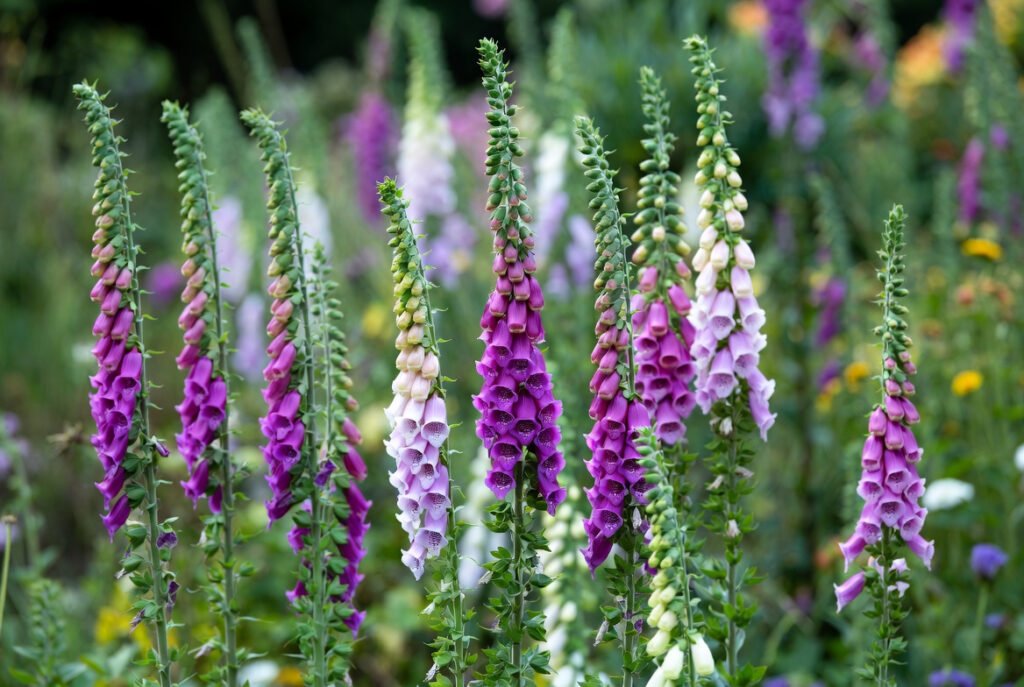
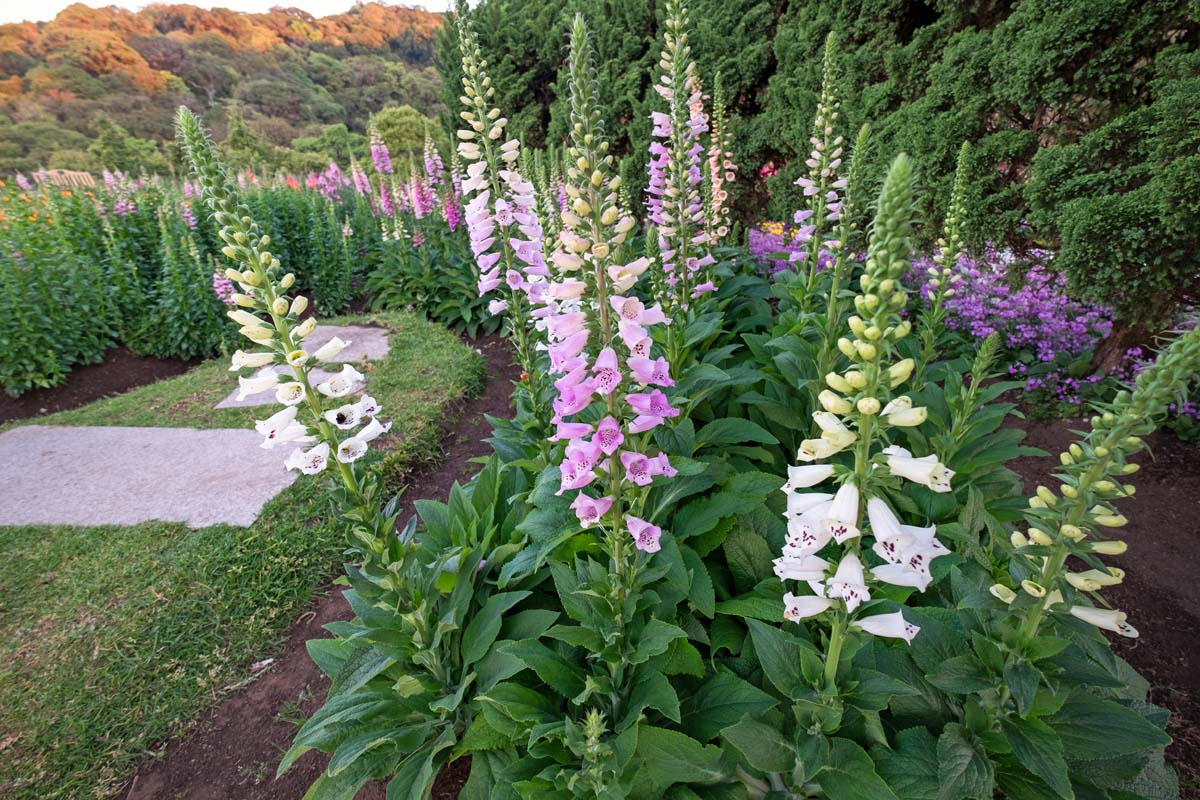
These photographs show mature foxglove plants in full bloom, displaying tall spires of purple, pink, and white flowers in a cottage garden setting.
Site Selection and Soil Preparation
Position foxgloves in full sun to partial shade, with morning sun and afternoon shade preferred in warmer regions to prevent scorching. Shelter from strong winds protects tall stems. Soil must drain well yet retain moisture, slightly acidic to neutral (pH 6.0-7.0), and rich in organic matter. Amend with compost or well-rotted manure before planting to enhance fertility and structure. Avoid heavy clay or waterlogged sites.
How to Plant Foxgloves
Foxgloves grow readily from seed or nursery starts.
- From seed: Sow in late summer or early fall for blooms the following year, or in spring after the last frost. Scatter seeds on soil surface, as they require light to germinate; do not cover. Keep moist; thin seedlings to 18-24 inches apart.
- Transplanting: Plant nursery starts in spring or fall at the same depth as in their containers. Space 18-36 inches apart to allow airflow.
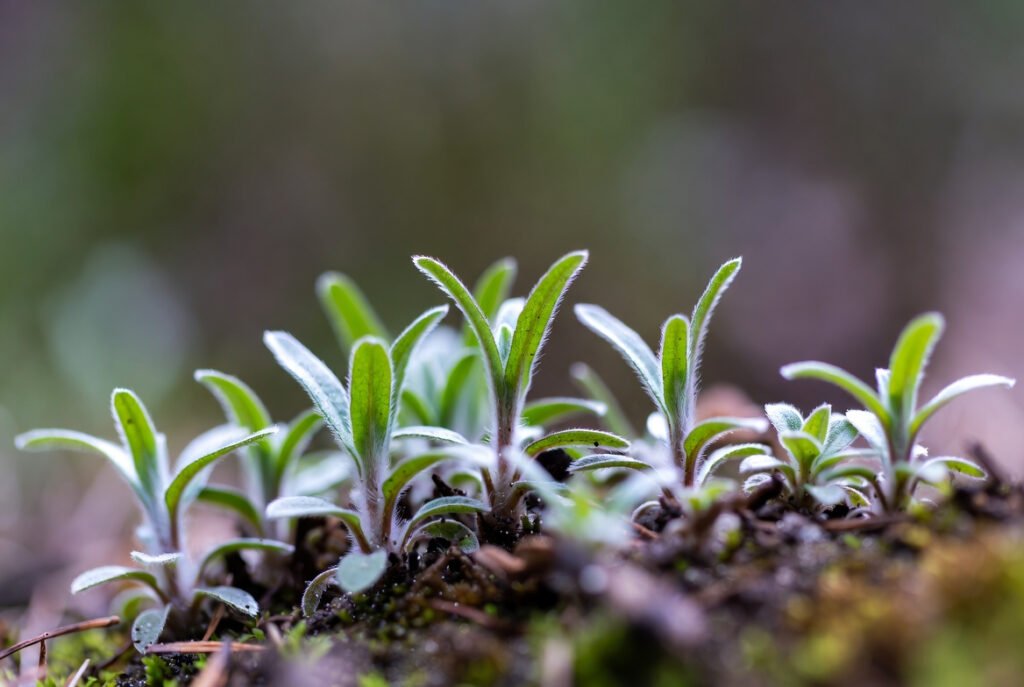
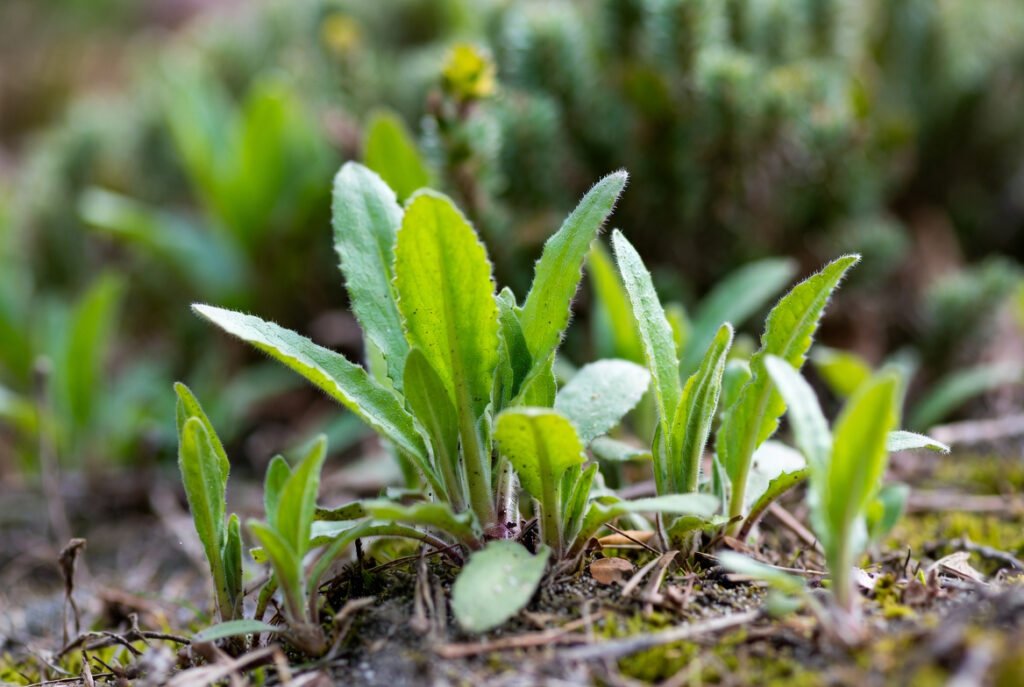
These images illustrate young foxglove seedlings and basal rosettes during the first-year growth phase.
Watering and Fertilization
Provide consistent moisture, approximately 1 inch per week, especially during dry periods. Deep watering encourages strong roots; avoid overhead irrigation to reduce fungal risks. Mulch with 2-3 inches of organic material to retain soil moisture and suppress weeds.
Fertilize lightly in spring with a balanced, slow-release formula (10-10-10). Excess nitrogen promotes foliage over flowers.
Support and Pruning
Stake tall varieties early with bamboo or rings as stems emerge to prevent lodging. Deadhead spent blooms to prolong flowering and control self-seeding. Cut flower stalks to the base after blooming. Remove foliage in late fall after it yellows to limit disease overwintering.
Toxicity and Safety Precautions
All parts of foxglove contain cardiac glycosides and are highly toxic if ingested. Symptoms include nausea, irregular heartbeat, and potentially fatal effects. Wear gloves when handling; keep away from children and pets. Foxglove is deer- and rabbit-resistant due to its toxicity.
Managing Pests and Diseases
Foxgloves resist most pests but face occasional issues.
- Pests: Aphids, slugs, mealybugs, or Japanese beetles may appear. Treat mild infestations with insecticidal soap or neem oil.
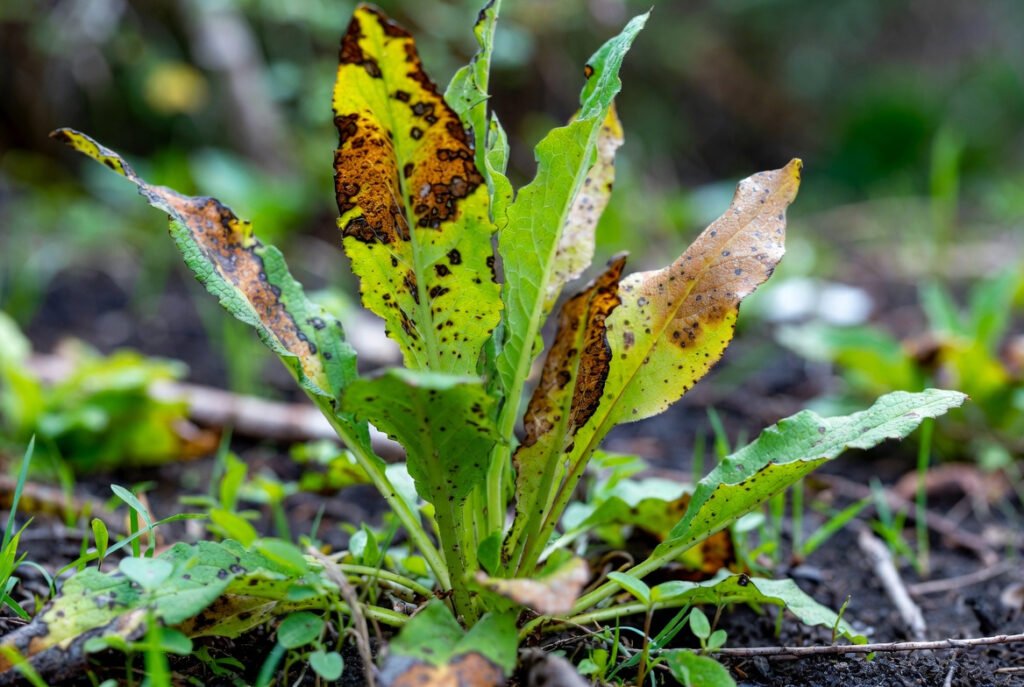
- Diseases: Powdery mildew, leaf spot, or rust occur in humid conditions. Improve airflow, avoid overhead watering, and remove affected leaves. Select resistant cultivars where available.
This photograph depicts typical leaf spot or rust symptoms on foxglove foliage, showing discolored spots and lesions.
Overwintering and Longevity
Hardy in USDA zones 4-9, foxgloves require mulch in colder areas for root protection. Biennials self-seed readily for natural continuation; cut stalks before seed set to prevent unwanted spread in some regions. Short-lived perennials last 3-5 years; replace declining plants.
Recommended Varieties for Cottage Gardens
- Classic Digitalis purpurea: Traditional purple or pink spotted blooms.
- ‘Foxy’ or ‘Camelot’ series: First-year flowering hybrids.
- Rust-resistant selections: Improve performance in humid climates.
For companion planting ideas, see my guide on hollyhocks for cottage gardens.
Foxgloves add enchanting vertical interest and pollinator appeal. Monitor conditions closely for reliable results. Share your observations or questions below.
Leave a Reply