
Essential fall maintenance tips for rain gardens. Learn how to clean, mulch, plant, and protect your rain garden to ensure proper function and plant health through winter in USA climates.

I have maintained rain gardens in my Ohio yard for 10 years, zone 6. Fall presents an ideal time to prepare these water-management features for dormancy and the next growing season. Proper care removes debris, protects soil, and supports native plants. Follow these steps to keep your rain garden effective at capturing runoff and filtering pollutants.
These images show established rain gardens in fall, featuring native plants with autumn colors and mulched surfaces.


Remove Debris and Leaves from the Garden
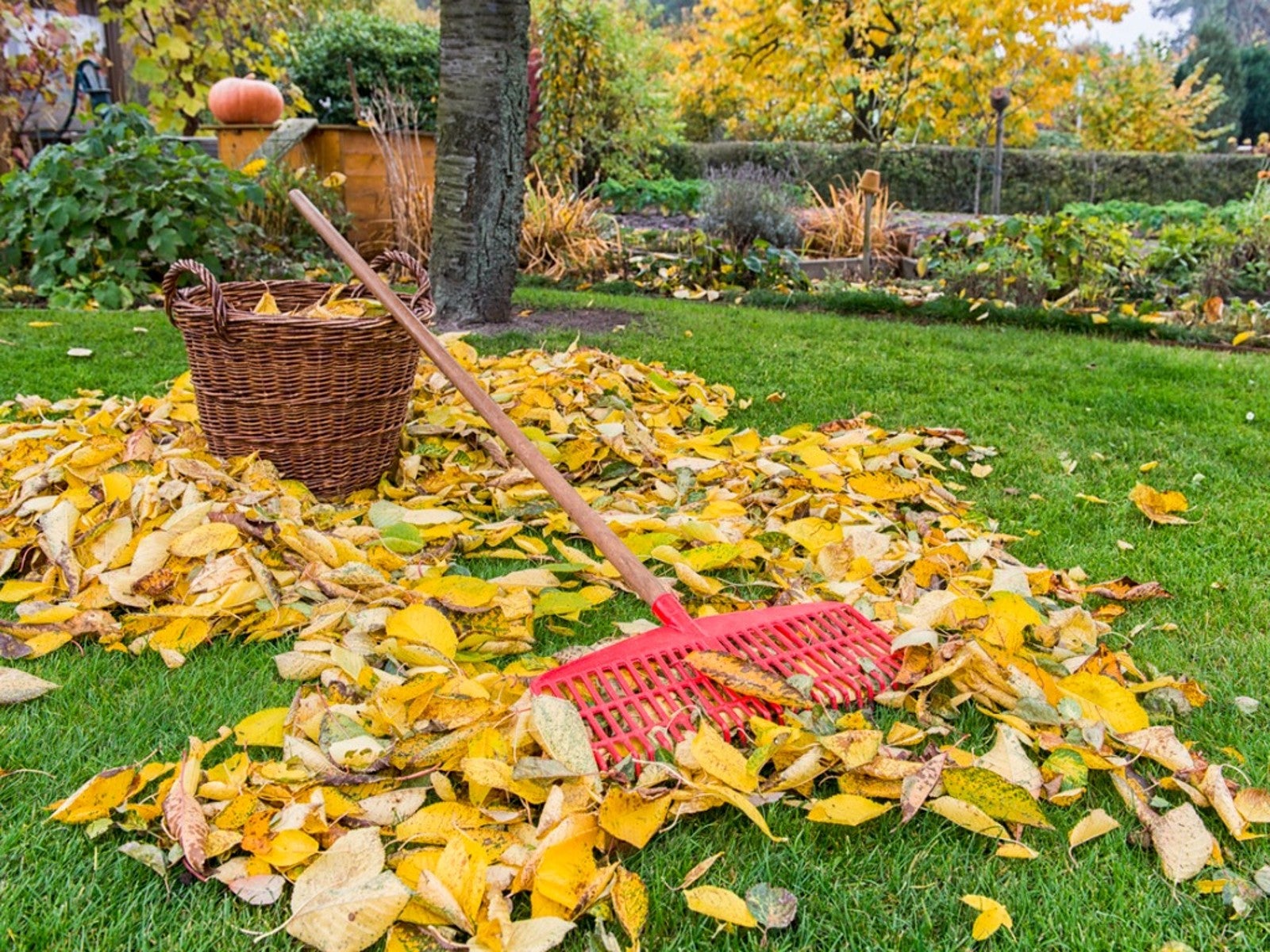
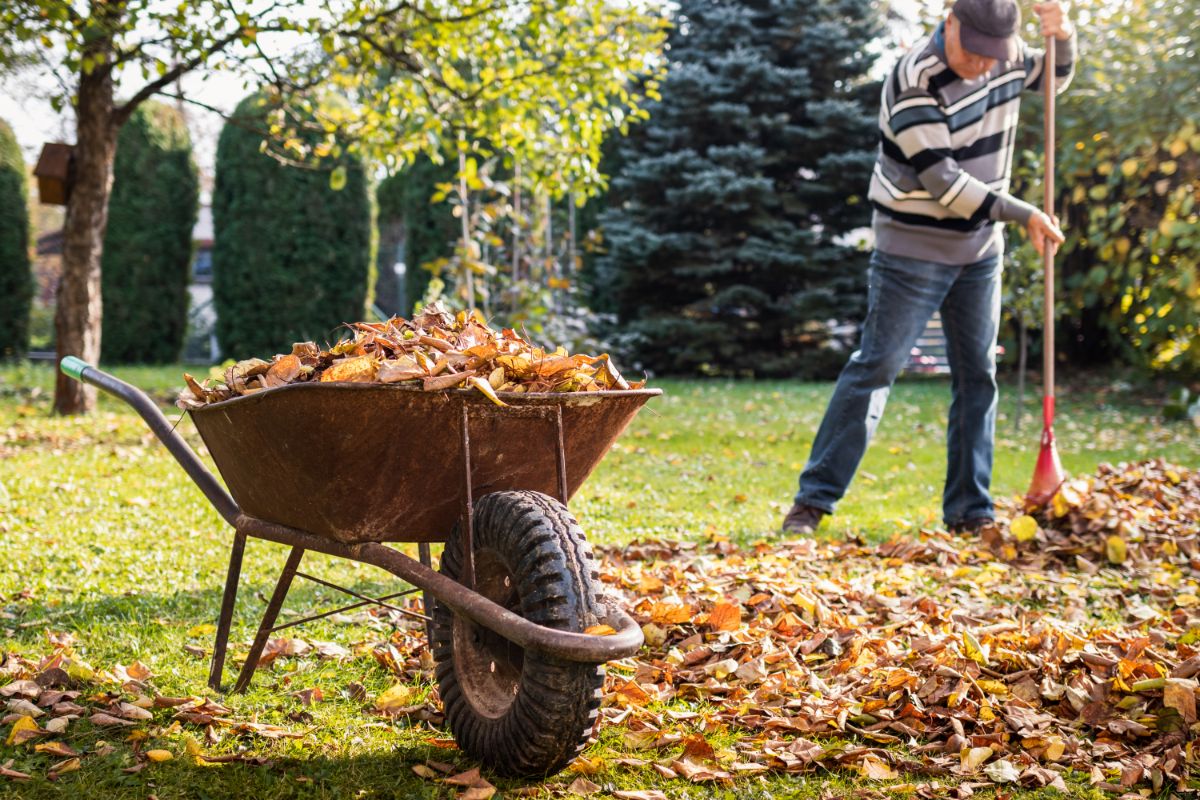
Clear fallen leaves, twigs, and trash from the rain garden basin, inlets, and outlets. Excess leaves can block drainage paths or overflow structures. Rake gently to avoid disturbing soil.
Leave some leaf litter in planting areas if it does not obstruct flow; it provides habitat for wildlife. Remove leaves from drainage ways and curb cuts to maintain free water entry.
These examples illustrate cleaning debris from rain garden areas in autumn.
Weed and Remove Unhealthy Plants
Pull weeds by the roots while soil remains moist from fall rains. Remove diseased or dead perennials and shrubs. Fall offers a good opportunity to replace poor-performing plants.
Avoid herbicides in rain gardens to prevent chemical runoff.
Check and Repair Erosion or Sediment Buildup
Inspect for erosion around edges or inlets. Add rocks, plants, or landscape fabric if needed to stabilize soil. Remove excess sediment from curb cuts or gravel strips.
Ensure the berm remains intact and the depression holds water temporarily after rain.
Mulch the Surface for Winter Protection
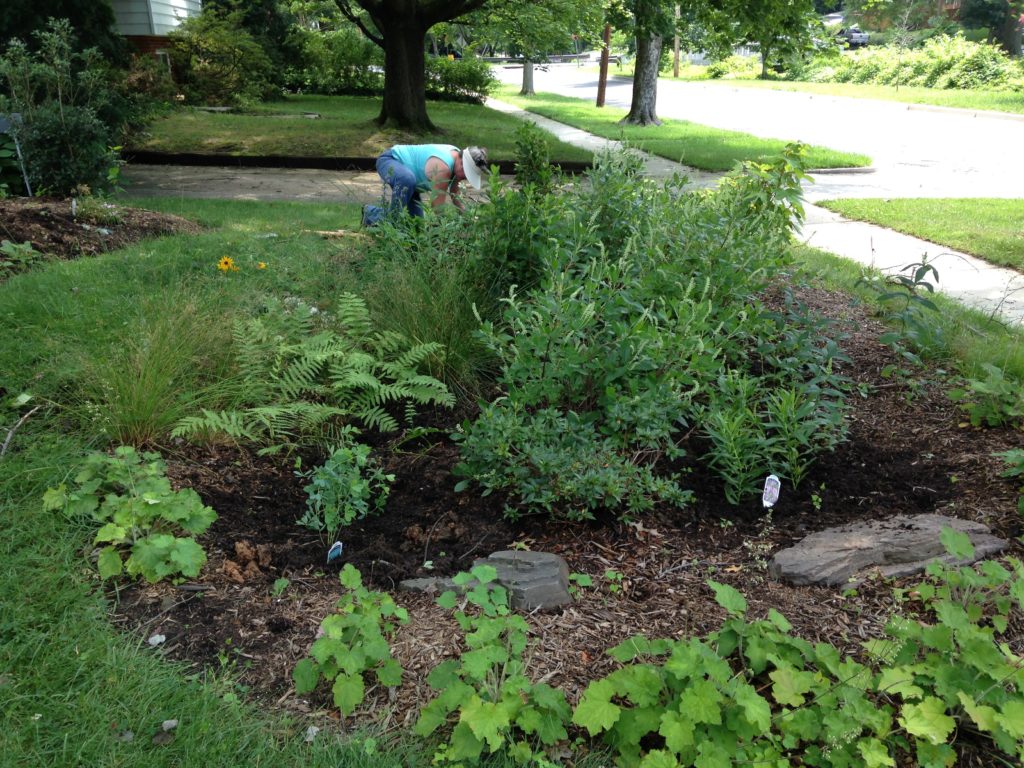
Apply or refresh mulch to 2-3 inches around perennials and 3-4 inches around trees and shrubs. Use shredded hardwood, wood chips, or leaf mulch. Form a “donut” shape around woody plants to avoid piling against stems.
Mulch suppresses weeds, retains moisture, prevents erosion, and insulates roots. Add mulch after the first frost but before heavy snow.
These photos demonstrate mulching techniques in rain gardens for winter preparation.
:max_bytes(150000):strip_icc()/GettyImages-1319319939-8dd7ffe6b31b4cb4b782533654d0d9a2.jpg "Fall Rain Garden Maintenance Tips: Preparing for Winter Success 8")
Plant or Divide in Fall
Install new native plants or divide overcrowded perennials. Fall planting allows roots to establish before winter with less watering required than in spring.
Choose species suited to wet-dry cycles, such as those recommended by local extension services.
Water if Fall Remains Dry
Water woody plants and new installations if rainfall is below average. Provide deep watering until the ground freezes to support root health.
Established rain gardens require minimal irrigation.
Prune Selectively
Prune dead or damaged branches on shrubs after dormancy begins. Leave seed heads on perennials for winter interest and wildlife food unless they obstruct function.
Avoid heavy pruning of herbaceous plants.
Additional Fall Considerations
- Inspect the garden after rain events to confirm proper ponding (up to 24-48 hours) and drainage.
- Do not use pesticides or fertilizers that could leach into waterways.
- Leave native plant structure standing for habitat; cut back in spring if preferred.
Reference authoritative sources such as the University of Kentucky Extension and Capitol Region Watershed District for region-specific advice.
For related topics, read my post on winter mulching techniques.
Complete these tasks in late fall before hard freezes. Your rain garden will function reliably and support biodiversity year-round.
Leave a Reply